







The Top 10 Questions About Heliskiing
Here are the top 10 questions about heliskiing we get asked most often by guests planning their first trip to Northern BC. From “how does heliskiing work?” to “what should I know before going heliskiing?”, we’ve covered the most common heliskiing questions with honest, practical answers. Heliskiing is not an average vacation; it’s far different from your local ski resort or beach. It’s special. For many, it’s a once-in-a-lifetime experience that only a handful of people get to try. Whether you’re wondering about costs, skill requirements, what to bring, or the best time to go, here are your answers to the top 10 questions about heliskiing.
1. Do I Have to Jump Out of the Helicopter? How Does Heliskiing Work?
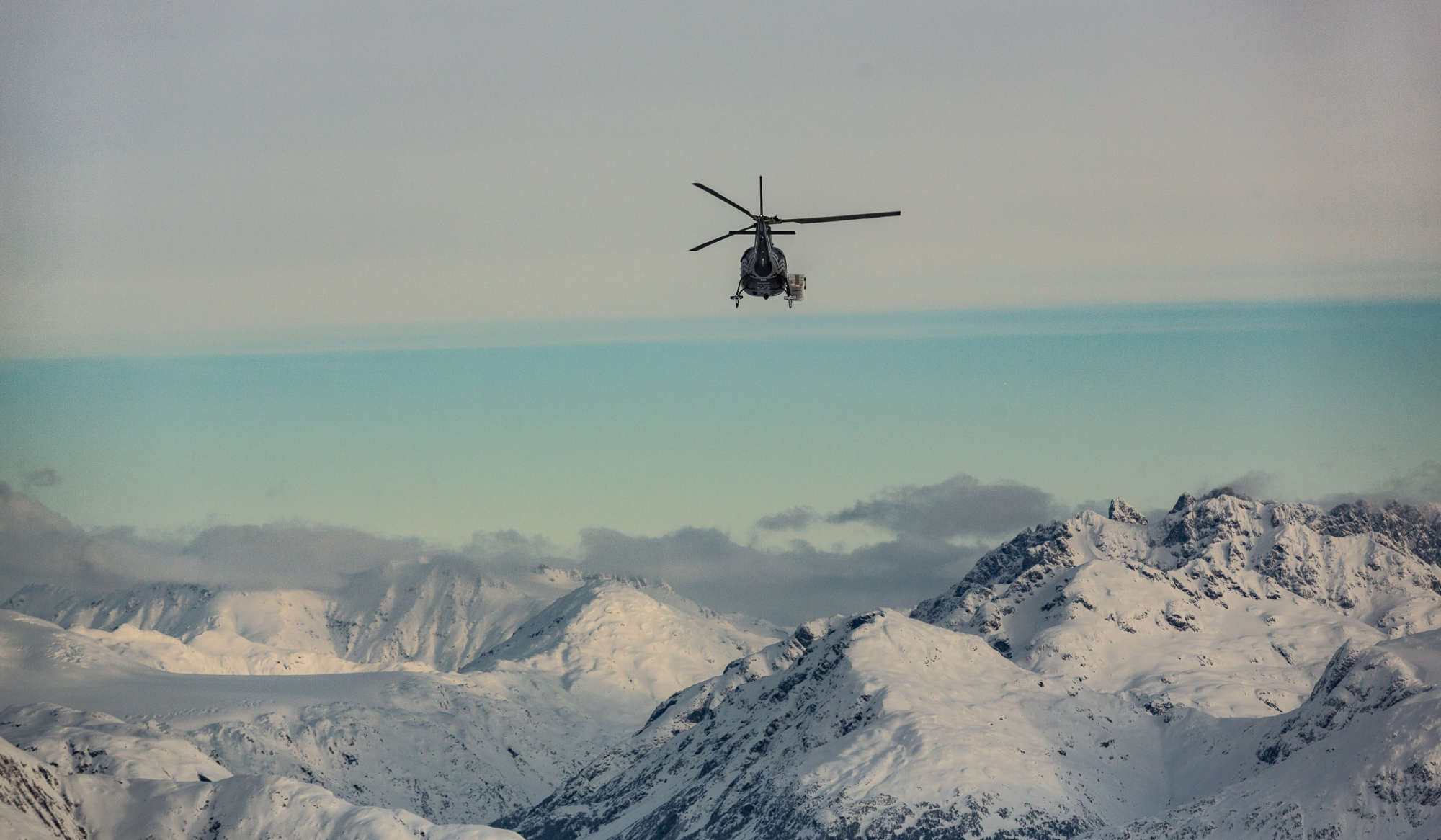
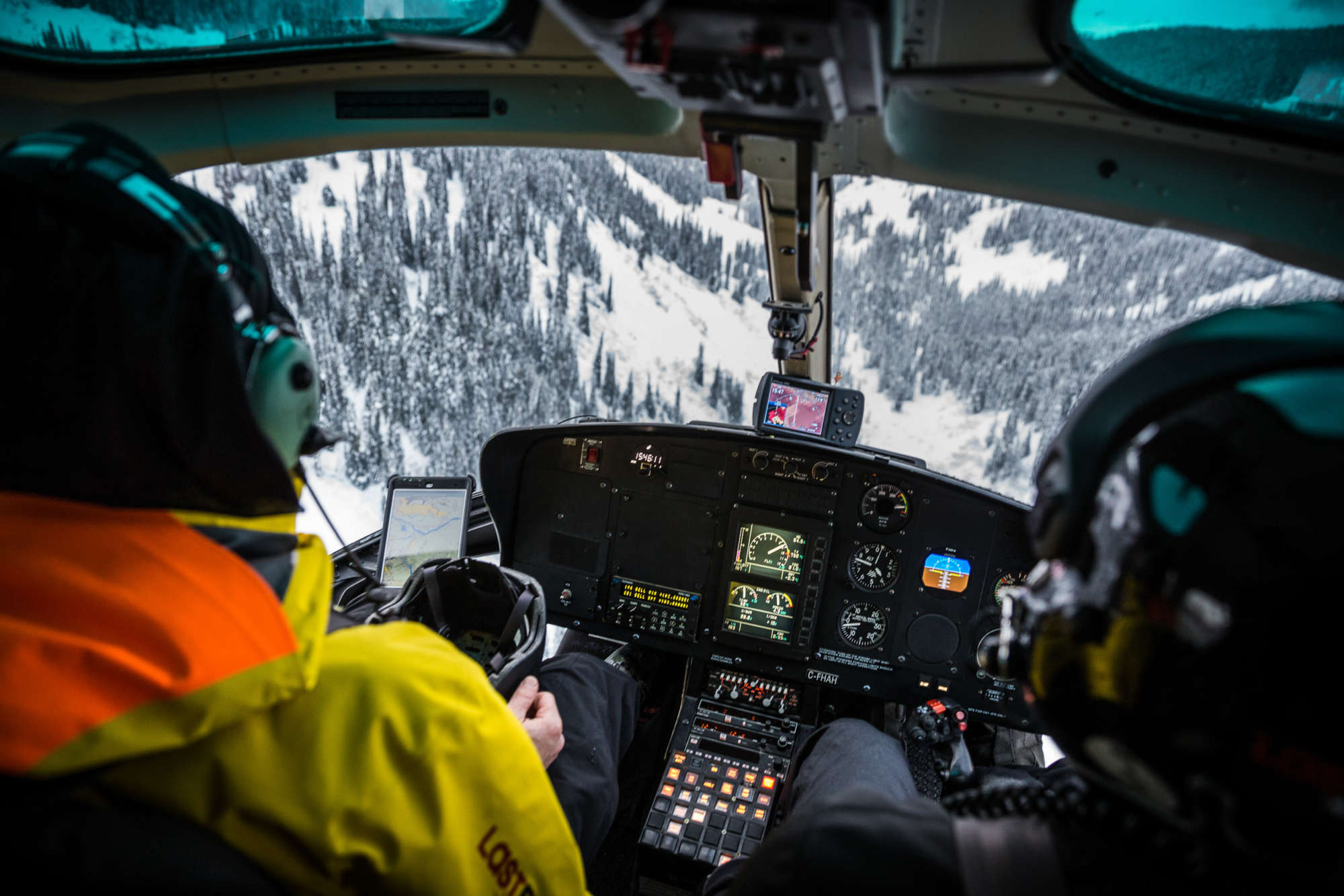
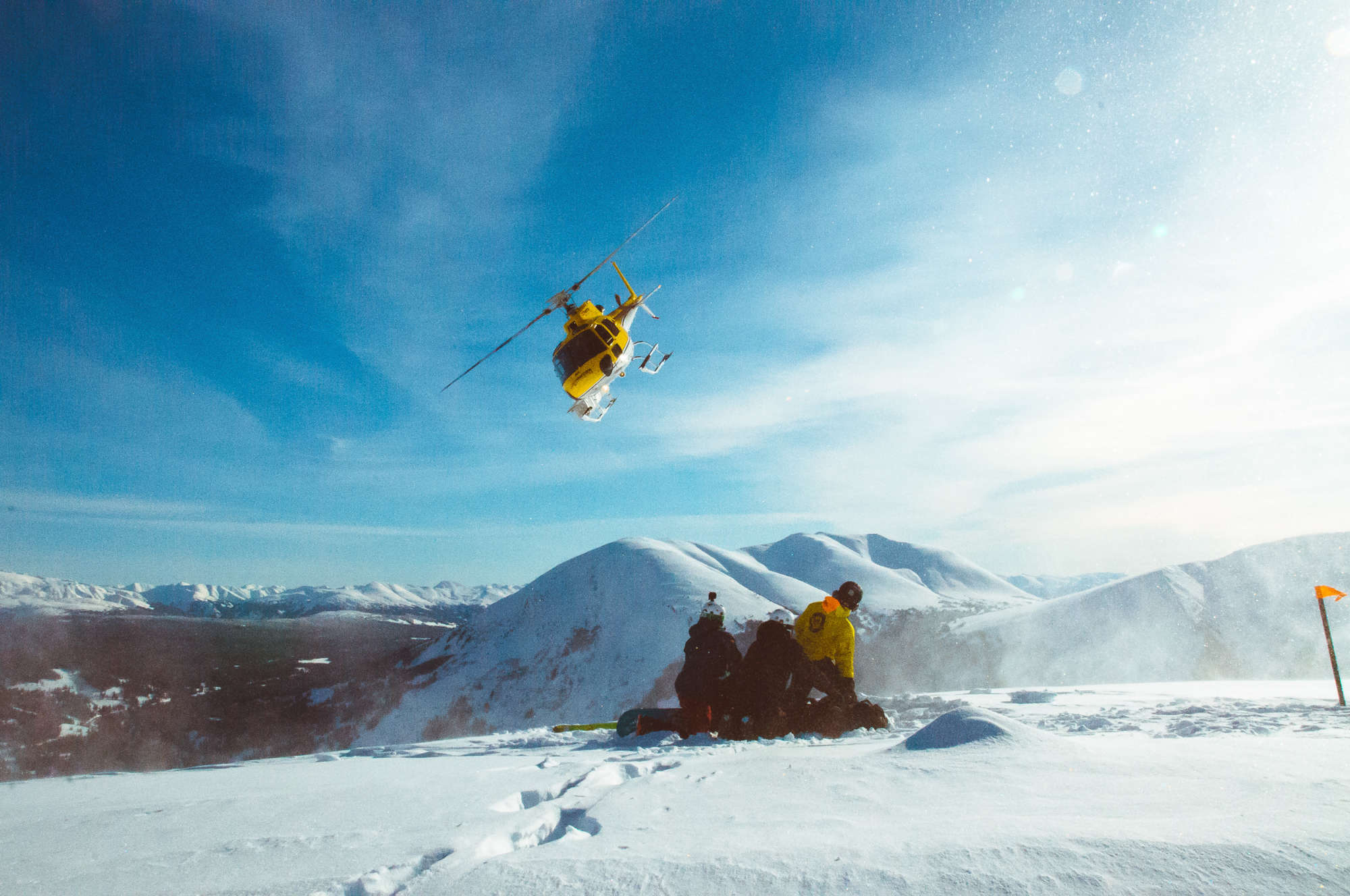
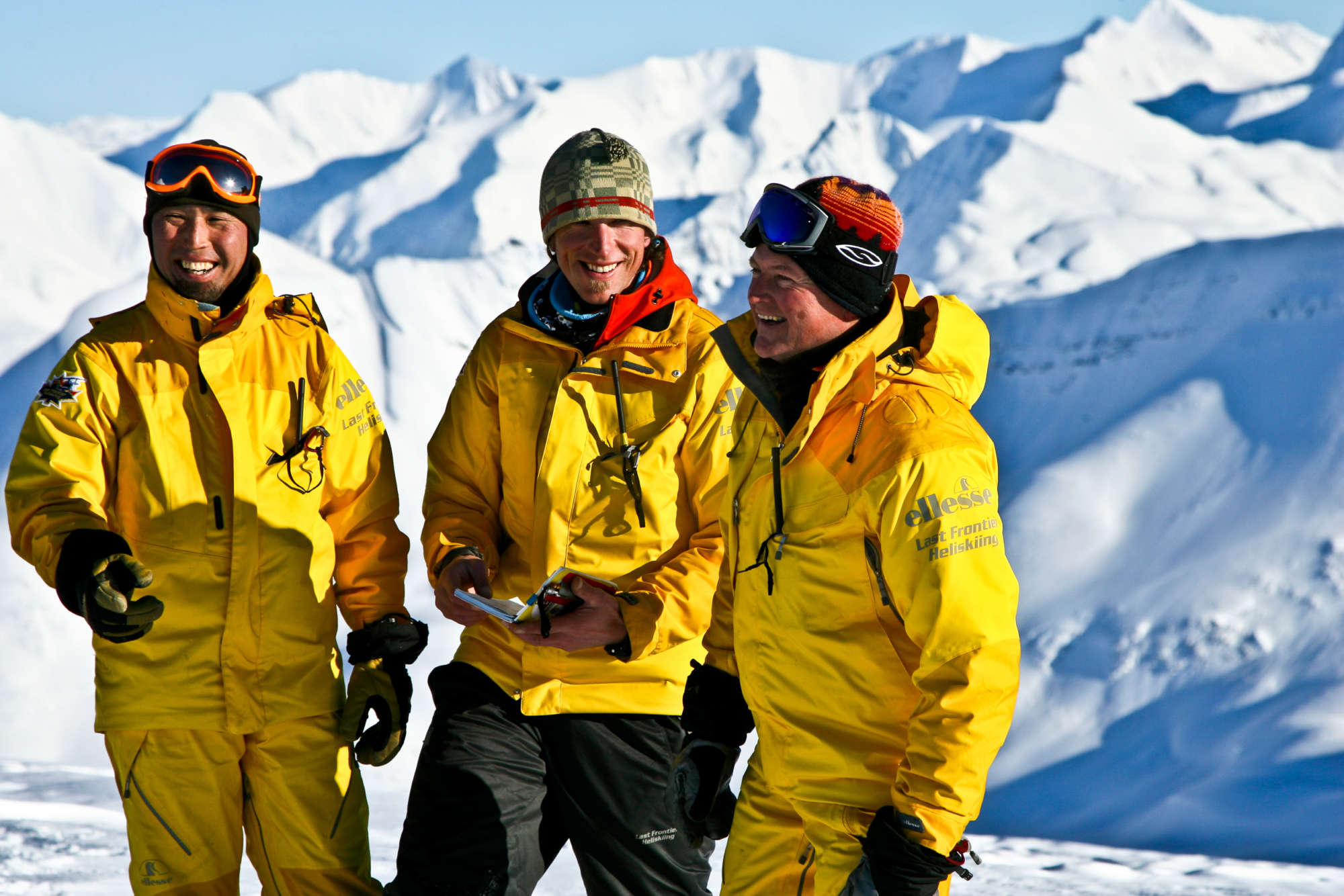
Um. No. Heliskiing is special, but it isn’t James Bond special. The helicopter will land at the top of the run, and the guide will step out first. He’ll come and open the door for the guests and remove the ski gear from the basket. When the chopper is emptied, he’ll give the pilot the thumbs up, and it will fly away to pick up another group.
The helicopter is like a fancy taxi. Usually, each helicopter has three groups assigned to it, and they cycle through. Each group gets the chopper at the end of the run and will be ferried to another mountain top for fresh lines.
Surprisingly, this is one of the most common questions about heliskiing.
2. How Good Do I Have to Be for Heliskiing?
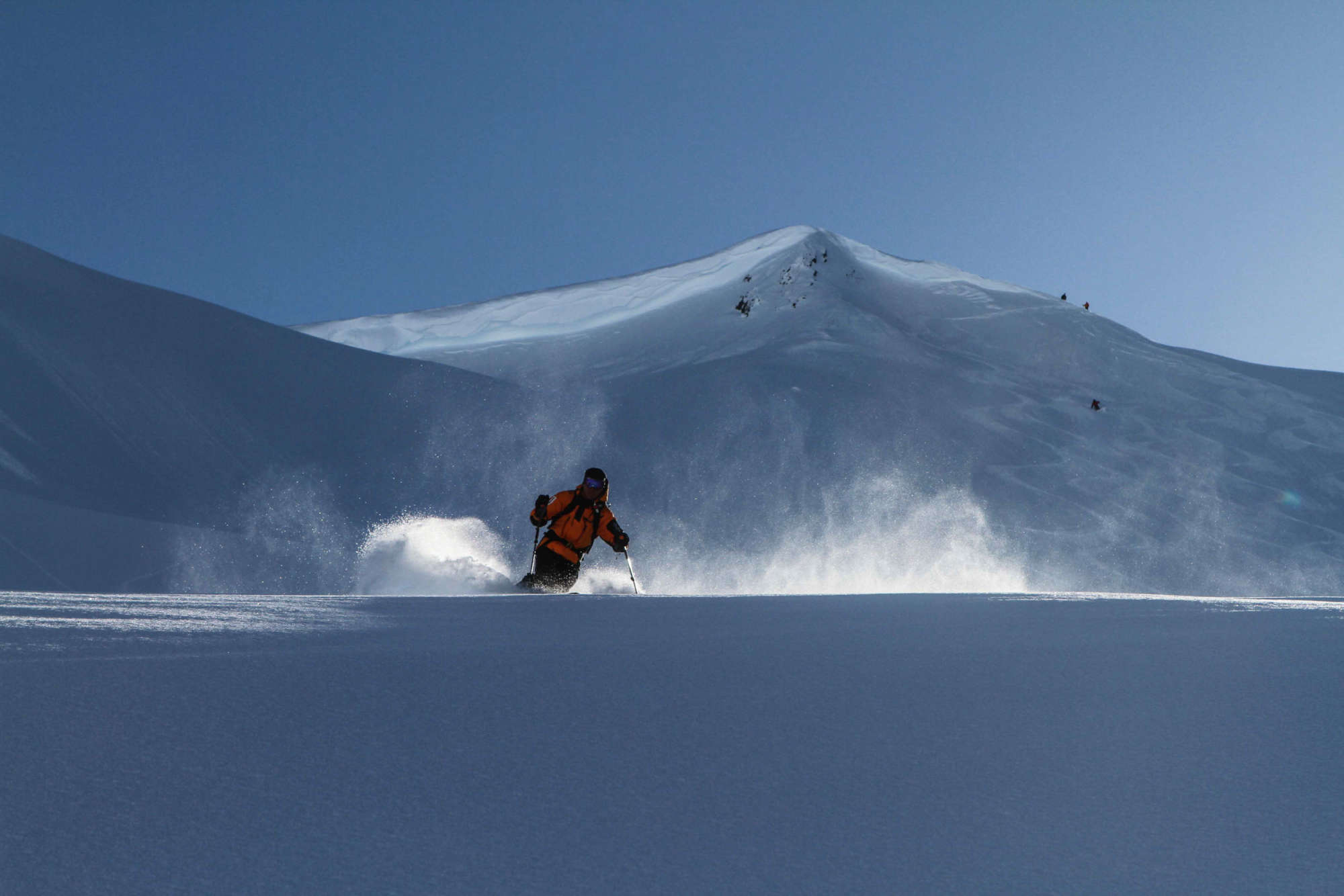
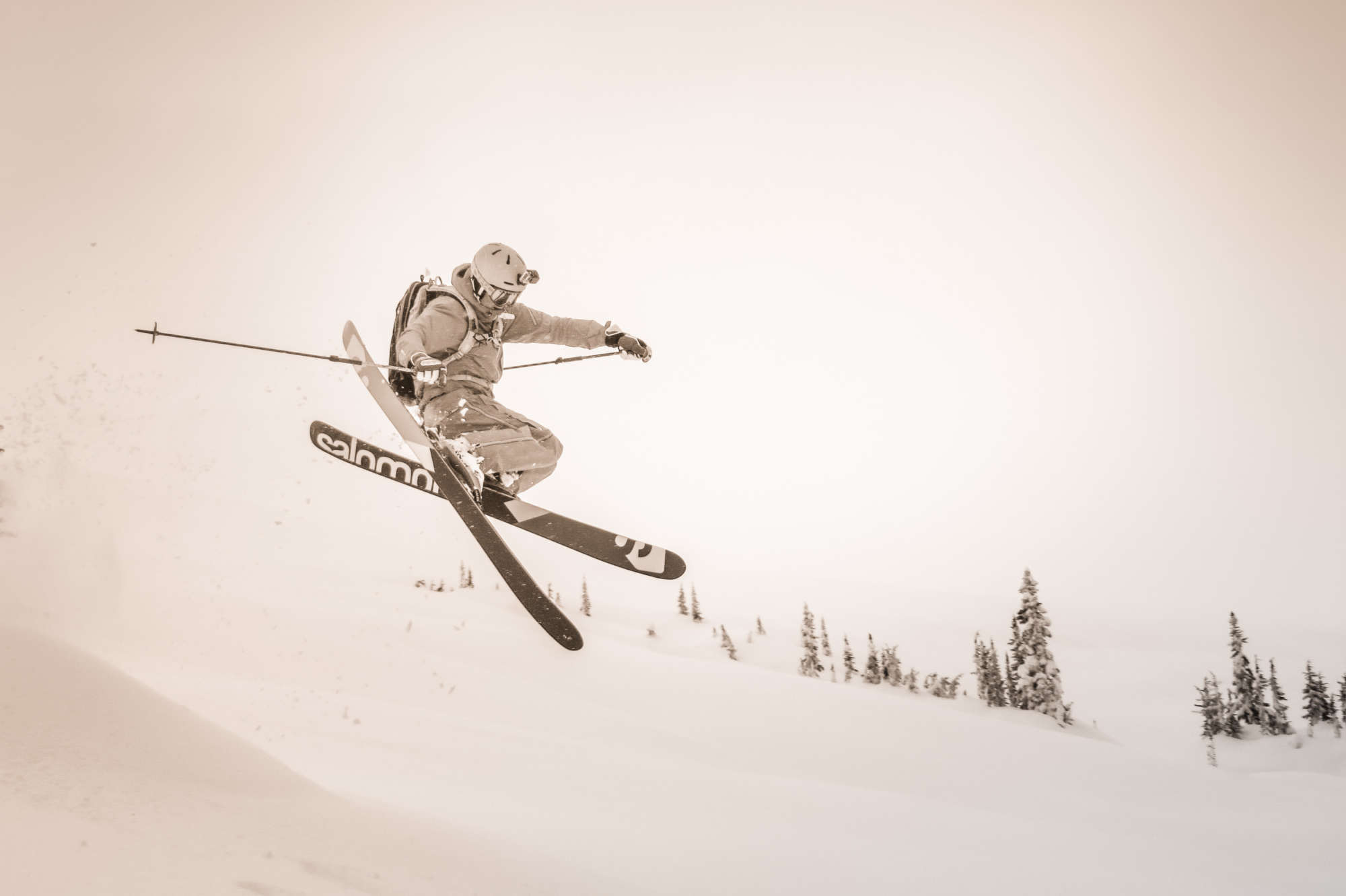
You don’t have to be the Tonya Harding of skating to go heliskiing. However, you do have to be proficient. You should feel comfortable in a helicopter and be able to confidently navigate the challenges of varied terrain and snow, from chest-deep powder to wind-whipped crust, wide-open alpine to steep and narrow trees.
Skiers should be able to make strong and controlled parallel turns with confidence. Snowboarders need to have balanced pressure and edging skills. Even if you don’t have a ton of powder experience, you need to be able to maintain control in backcountry conditions.
If you prefer wide-open alpine slopes to trees, try going heliskiing later in the season, such as April, when the snowpack is at its deepest.
3. How Fit Do I Need to Be for Heliskiing?
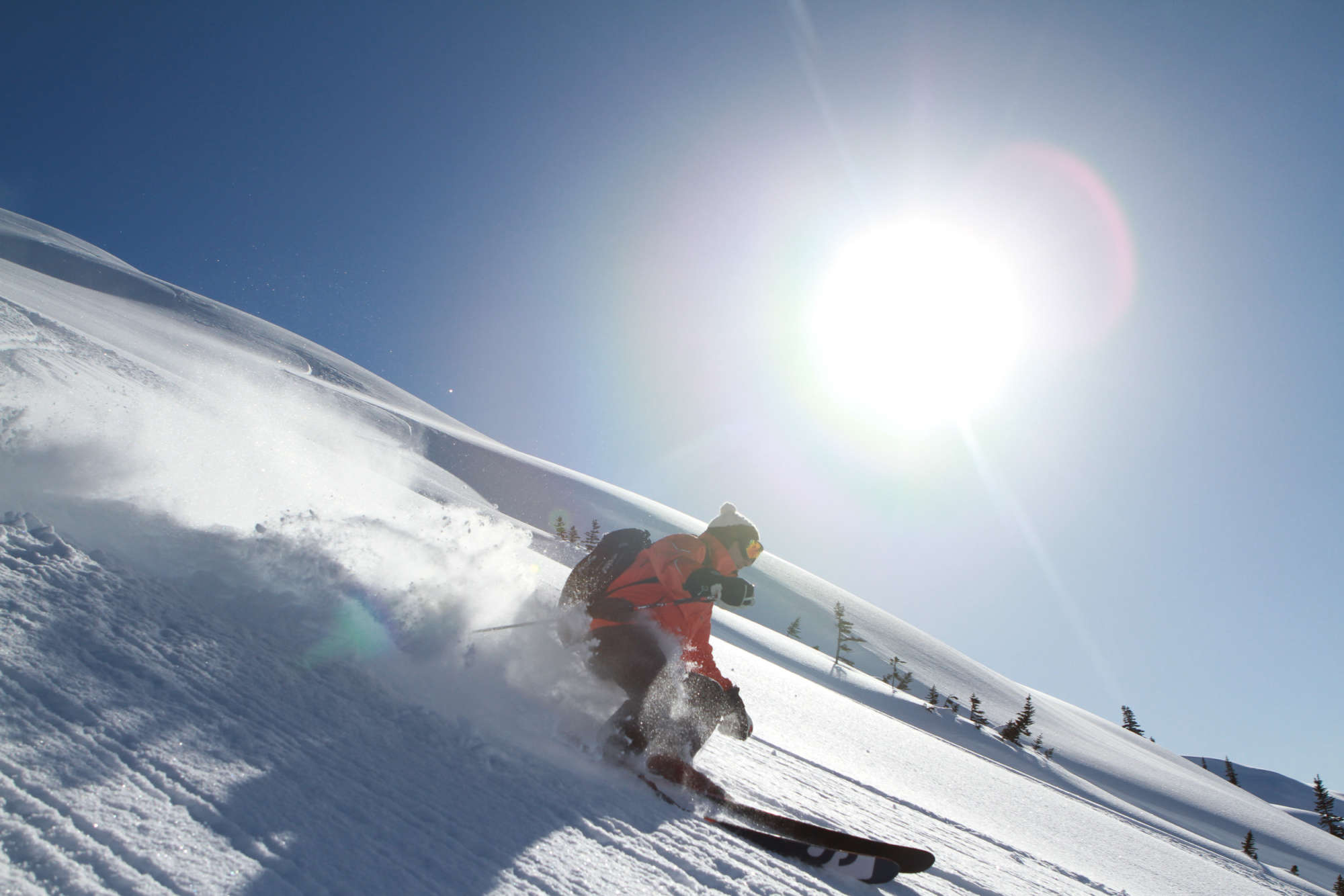
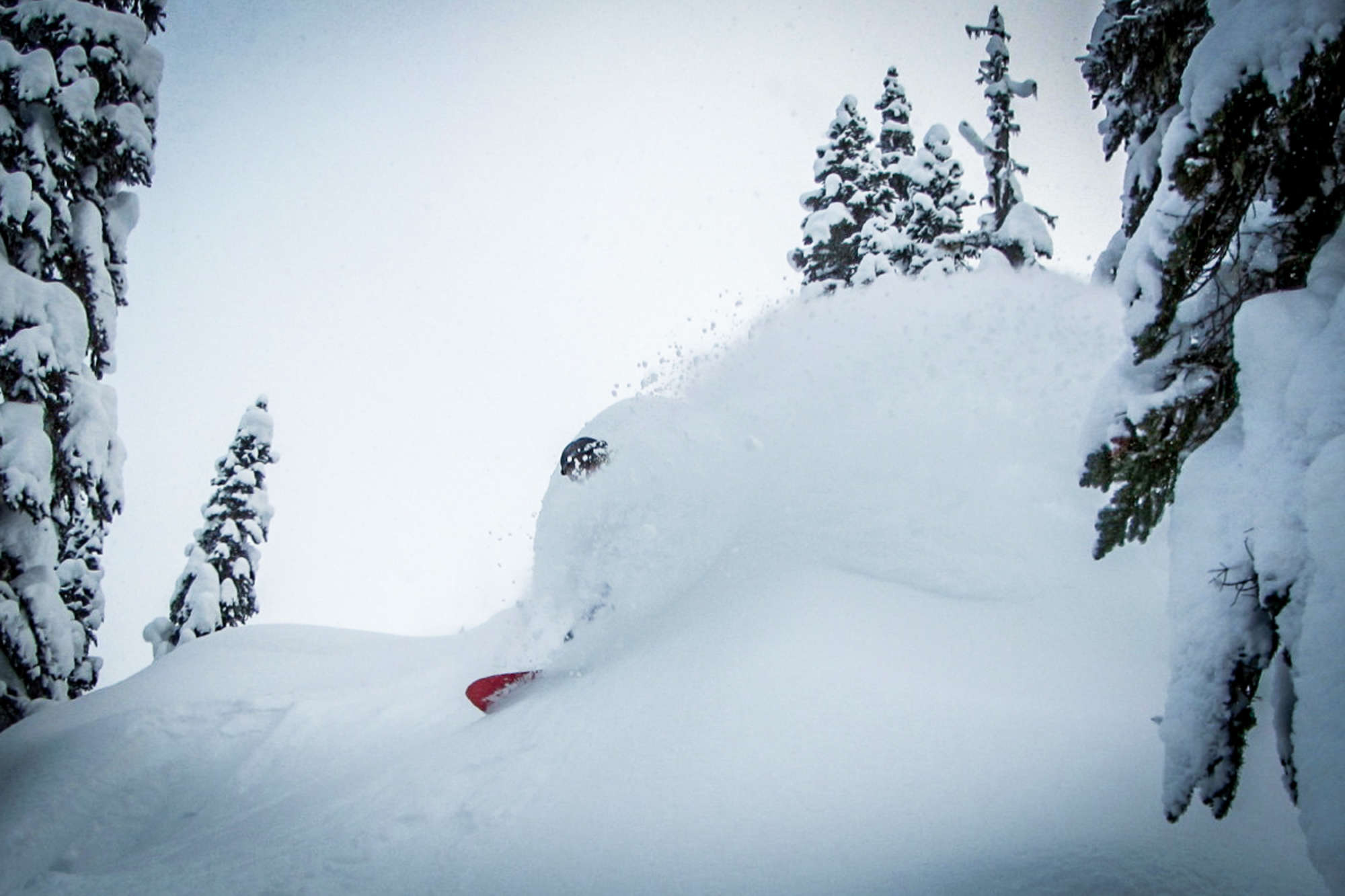
On average, our guests ski more than 43,000 vertical metres per week, which is almost five times the height of Everest. Skiing out of a helicopter all day and shredding fluffy BC powder can be a little tough on the legs. Don’t worry – you don’t have to be an Olympic athlete to go heli-skiing, but the sport does require some vigour.
Yes, our regular waist-deep powder might be something new for you, so be prepared for getting snow up your jacket and down your pants. Perhaps consider bringing bib-pants as they keep snow out the best and are warmest if temperatures plunge.
Like everything that requires some sweat, you can train for your holiday. Ultimately, the better shape you’re in, the more you’ll ski and the more fun there is to be had.
4. What’s a Normal Heliskiing Day Like?
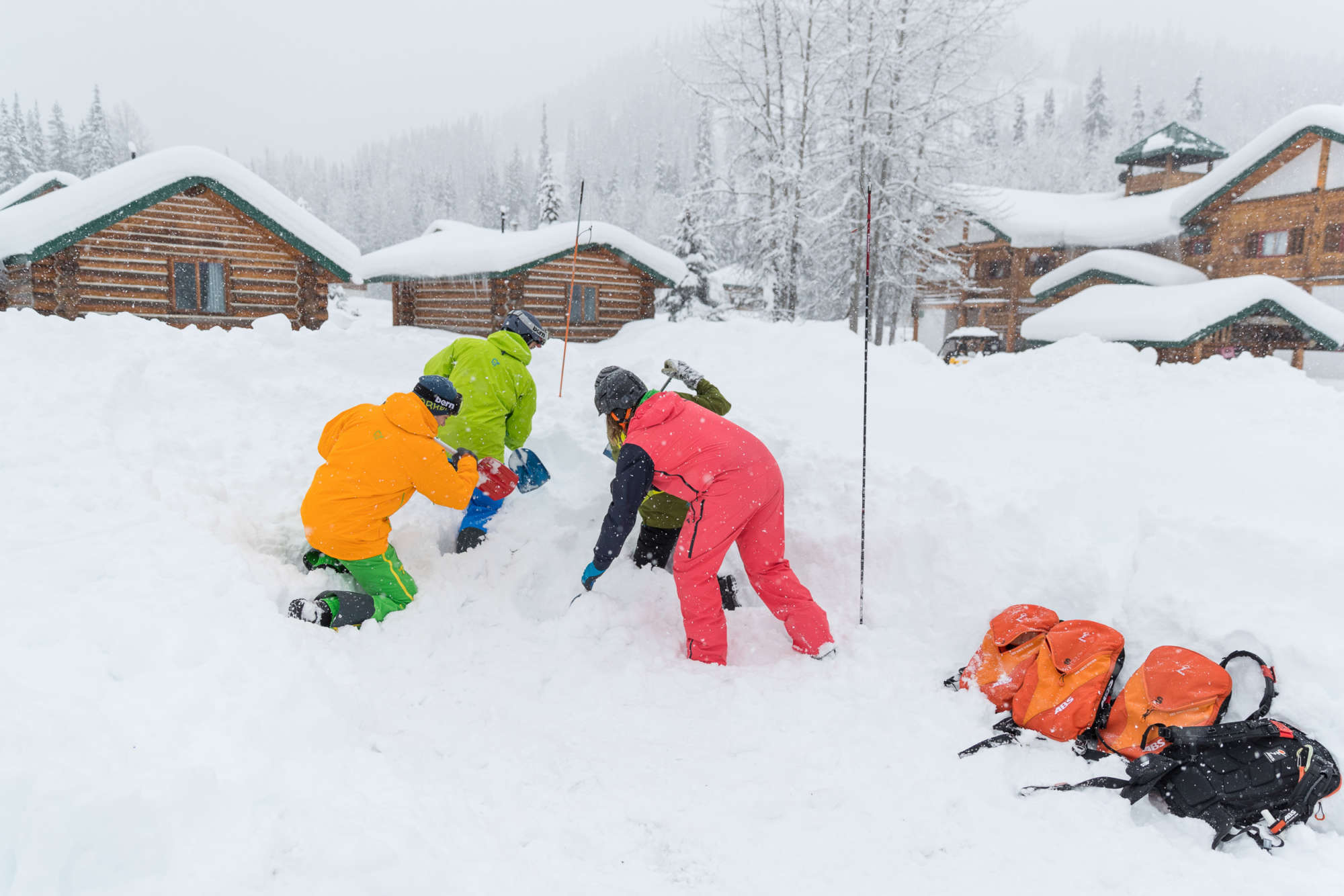
In many ways, the day starts like any other day. Breakfast. Or if you’re keen, some yoga prior. After a breakfast buffet of something like buckwheat waffles and blueberry sausages, guests will be assigned ski groups. Usually, skiing starts by 9 a.m. We stop at noon(ish) for a mountain top lunch similar to schnitzel sandwiches and apple parsnip soup with white chocolate cookies. Then we ski until the light begins to fade.
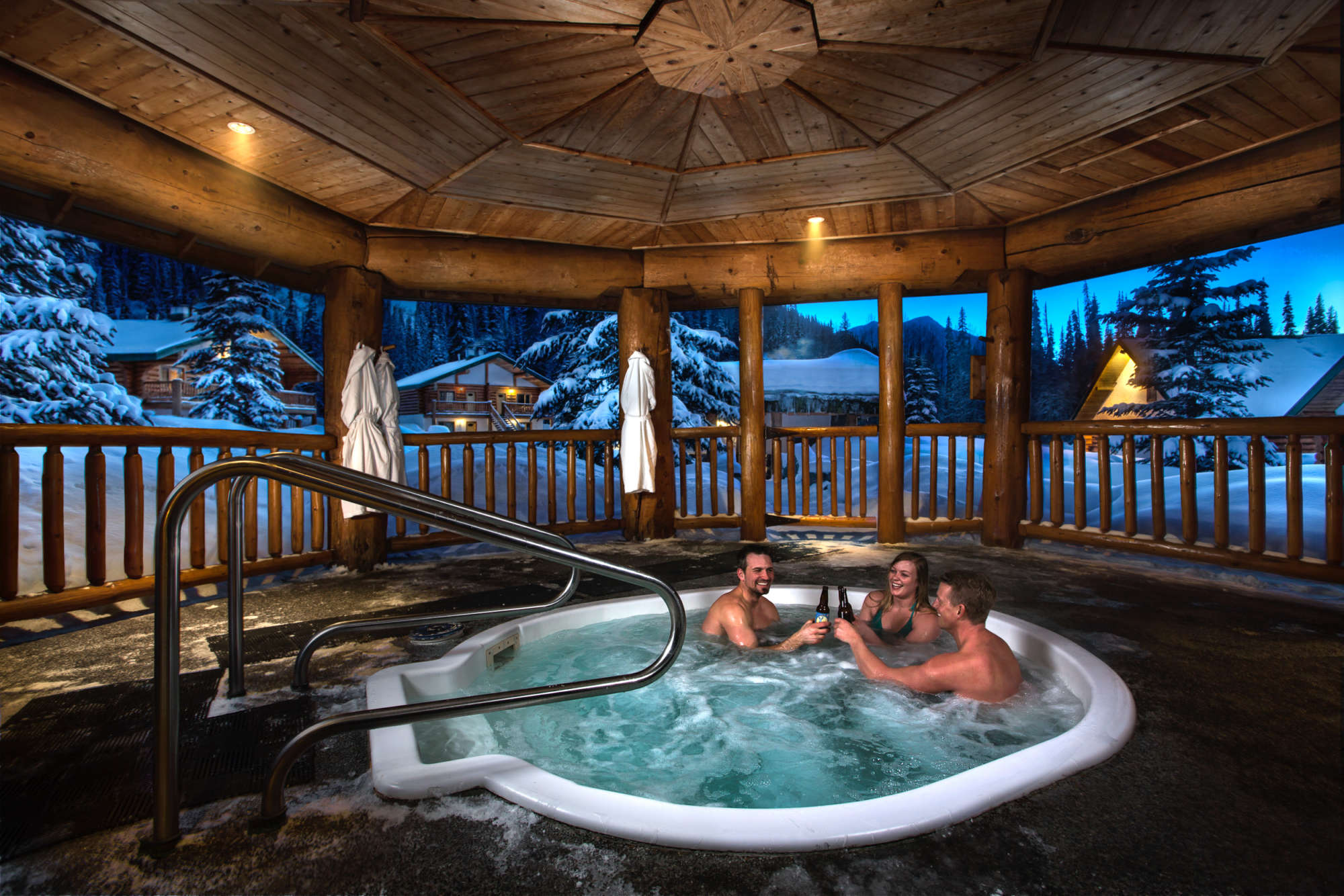
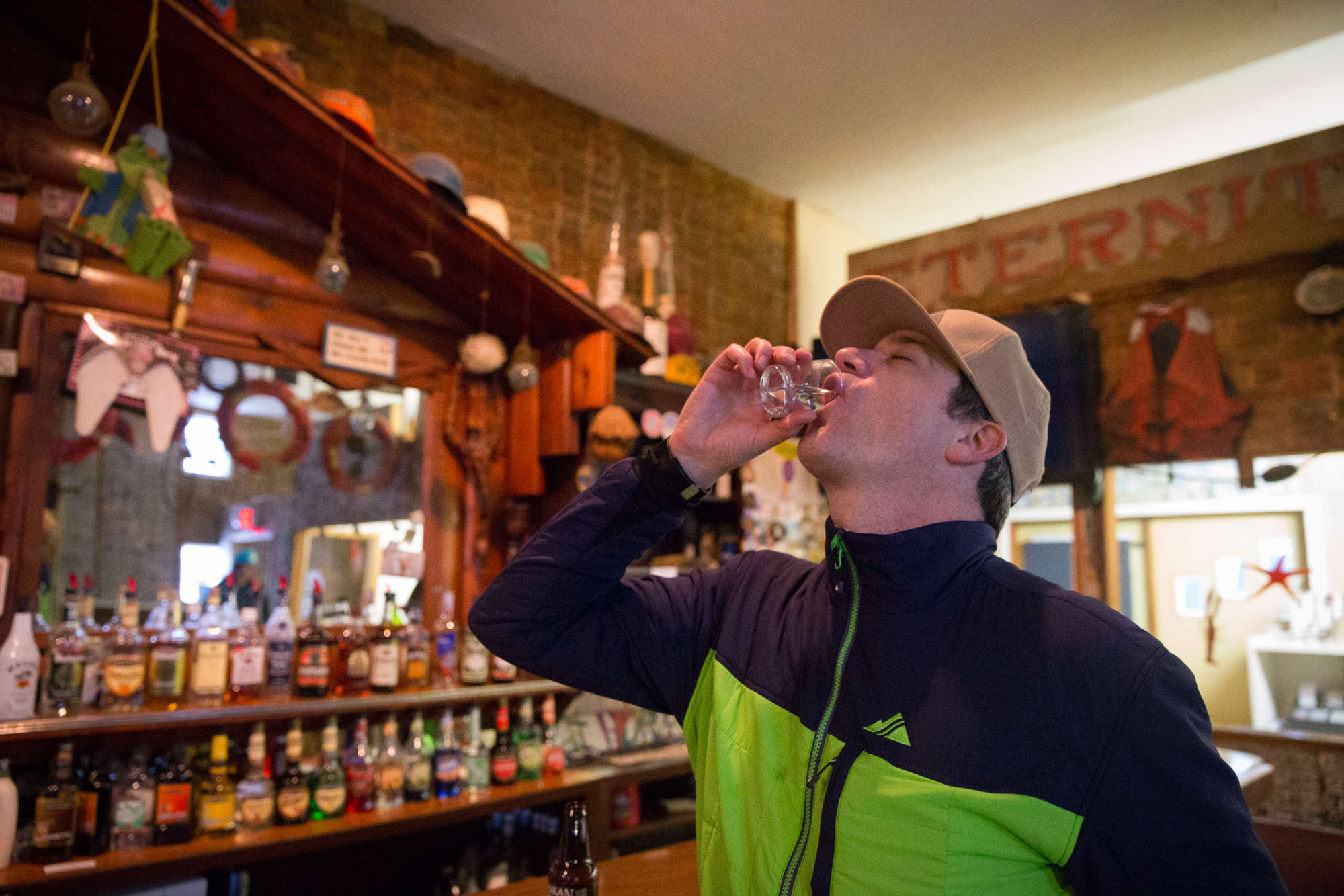
Skiers return to the lodge for an après of wings and beer. Then there’s time for a massage and dinner is a four-course affair. Afterward, there’s the bar and bed.
Next day – repeat.
5. How Are Heliskiing Groups Chosen?
It’s not quite like gym class, where team captains pick the best players in descending order one-by-one until only the scrawny are left. Groups are chosen by weight, ability, and skiing/snowboarding style preference. We will strive to keep friends together if you’re evenly matched in ability, but there is no guarantee unless you are on a Private Tour.
6. When Is the Best Time to Go Heliskiing?
This is one of the more difficult questions about heliskiing to answer, as there is no wrong time.
It’s always ski time. However, each month offers something different. December and January are iconic months for winter. That’s when the blizzards hit, and the temperatures drop. It’s exciting to watch as the trees begin to bend under the sagging weight of fresh powder, and staff have to continually shovel. This is when most snow falls, and powder skiing is at its finest.
February and March are high season for heliskiing. Everyone wants it and for good reason. We spend more time skiing high-alpine peaks, bowls, and glaciers. When the weather turns, we head into the valleys to plunder the trees. The options are endless. In April, you can expect alpine glacier skiing and panoramic vistas during long bluebird days.
It’s really up to you.
7. What Should I Bring for Heliskiing?
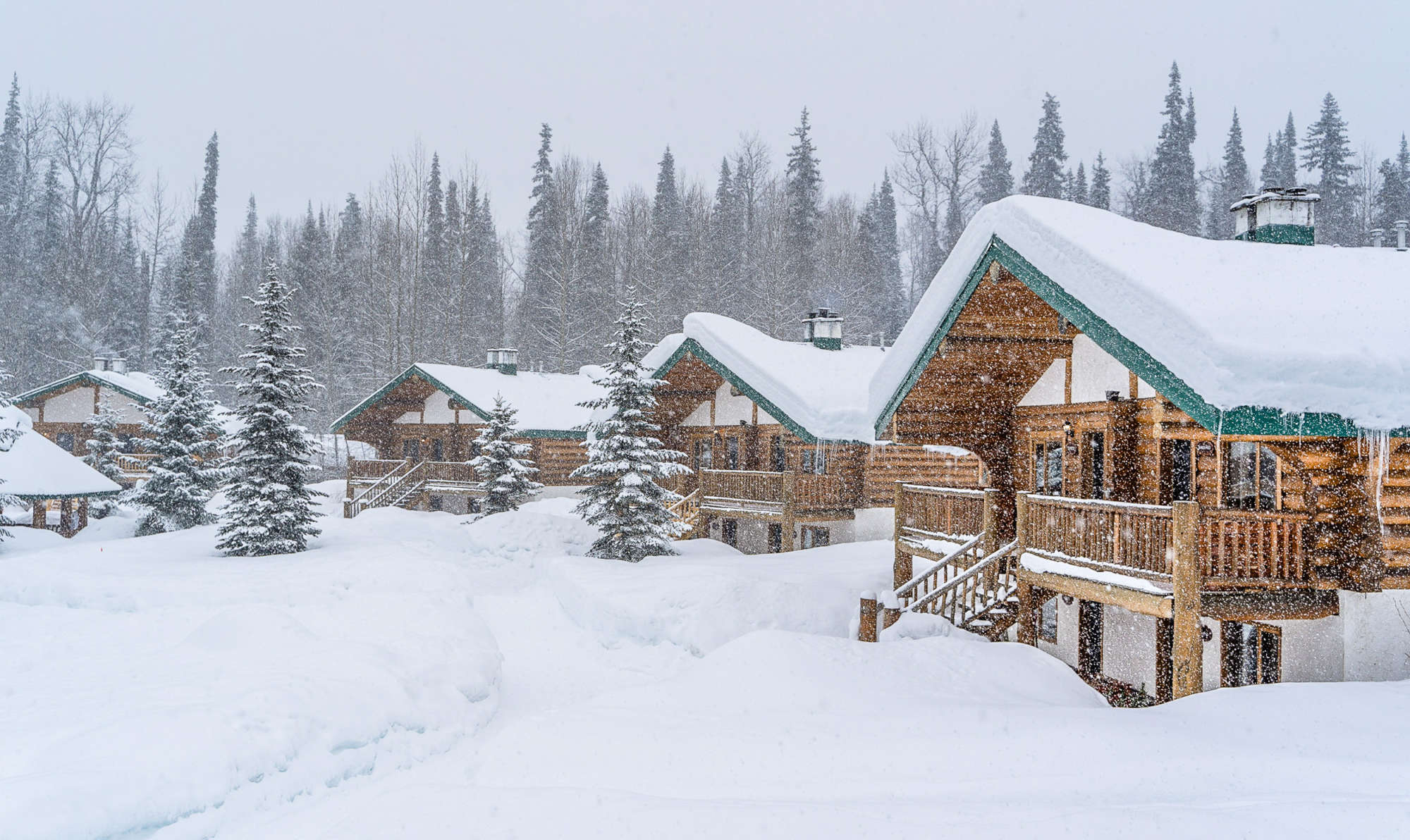
Really, just yourself. And your ski/snowboard boots. Please, please don’t forget those, as each is uniquely formed to the foot of its wearer. Nevertheless, we have skis, boards, and avalanche safety equipment. Yet, here are some suggestions if you need it.
Even if you forget gloves and hats, they can be replaced from our well-stocked gift shop.
You can leave your travel trunk at home.
8. Can I Bring My Drone and GoPro Heliskiing?
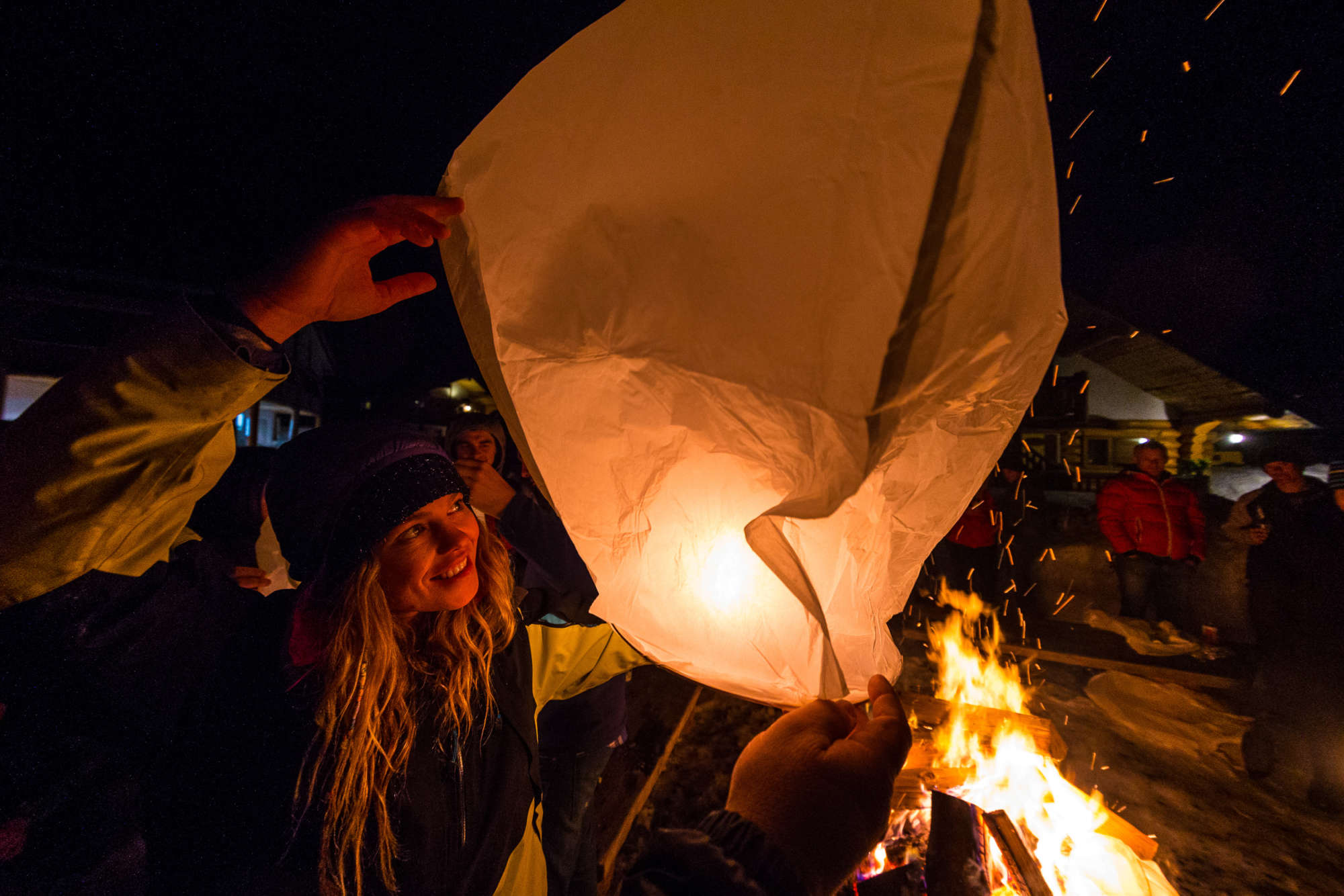
Strangely, this is one of the most common questions about heliskiing. Yet, leave the drones at home. They do not mix well with helicopters. Bring helmet-mounted GoPros if you must, but heliskiing is best enjoyed without the distraction of trying to get that perfect shot. Just ski and leave the digital world behind. Like Mel Gibson screamed in Braveheart before he got his head chopped off, “Fffrrrrreeeeeeedom!”
Although, I don’t think he was referring to a break from social media.
9. Can Non-Skiers Come on a Heliskiing Trip?
Of course, if space allows. Sometimes skiers like to bring their partners. Just to name a few – there are opportunities to go cross-country skiing, snowshoeing, fat biking, skeet shooting, darts, ping pong, and archery. Or perhaps they would prefer drinking wine in the bar, sipping lattes in the lounge, and reading a good novel under the down duvets.
Now that sounds like a vacation.

10. How Much Does Heliskiing Cost? What’s the Food Like?
When booking a heliskiing vacation, people usually focus on snow quality, terrain type, and snowpack. How much heliskiing costs becomes an afterthought, as does food. Yet both matter.
The Cost: Last Frontier packages range from 4-day to 10-day trips. Prices vary by season and lodge, with packages starting around CAD $11,000 for 4 days. All packages include accommodation, meals, guide services, equipment, safety gear, and ground transfers.
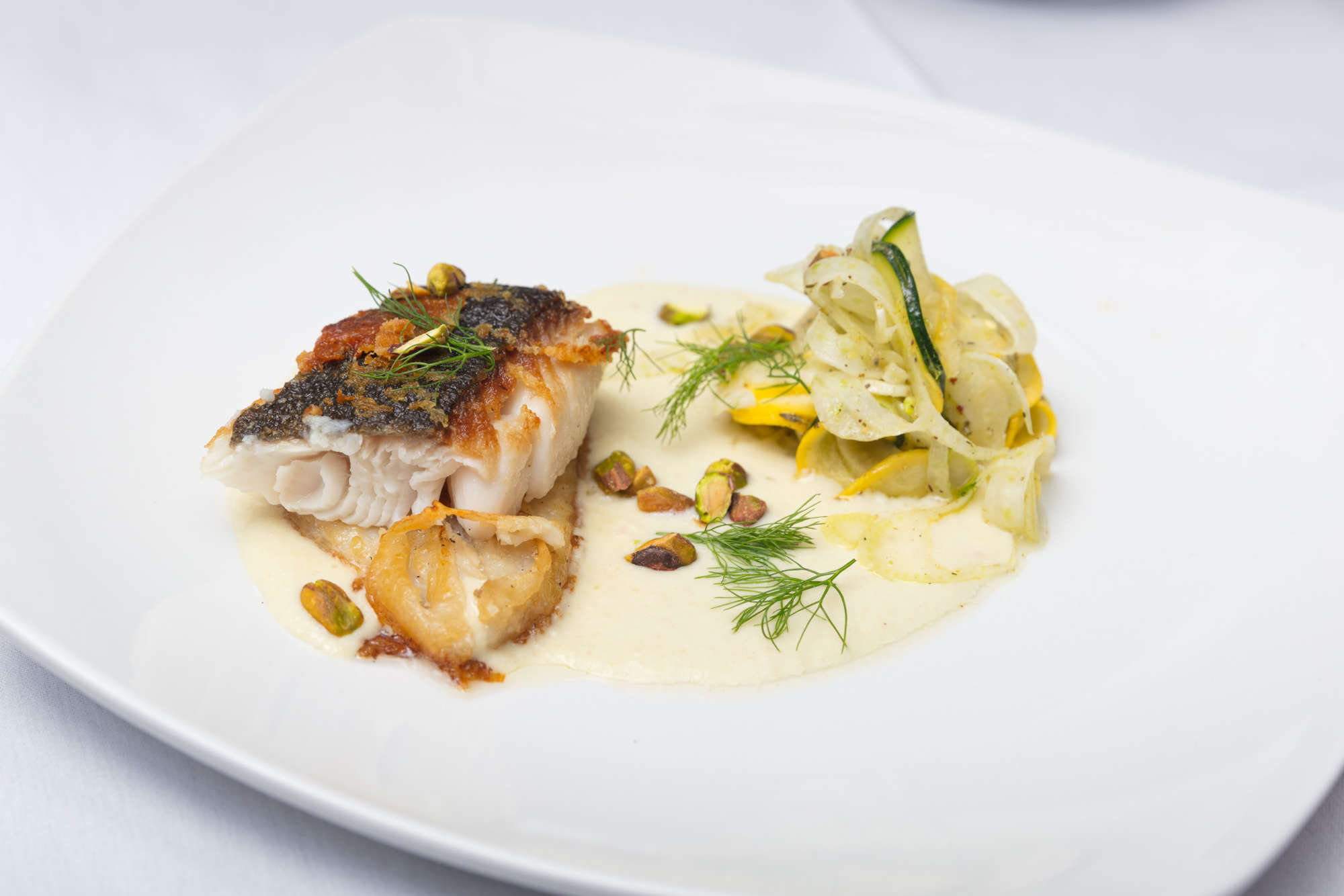
The Food: Let me introduce you to the “heli belly”. Heli belly refers to a rotund mass between the breastbone and the pelvis formed from consuming copious amounts of food at heliskiing lodges. It’s commonly found on heliskiing guides in the mid to late winter season.
With meals such as cinnamon bun French toast for breakfast, chicken and brie with fig jam sandwiches for lunch, tacos, and cocktails for ski-après, and a dinner of beef wellington with chocolate baked Alaska for dessert. It’s understandable how the condition came to be.
But don’t worry – the daily skiing helps keep the heli belly at bay.
Ready to Experience Heliskiing in BC?
Still have questions about heliskiing after reading these top 10 questions? Whether you’re wondering what you should know before going heliskiing or ready to book the best places to heliski in North America, we’re here to help. Last Frontier operates two lodges in Northern British Columbia with nearly 30 years of experience hosting guests. Our ACMG-certified guides answer the most common heliskiing questions every day and love sharing their expertise.
Related Posts
About Liam Harrap
Liam grew up in Jasper, Alberta – a perfect place for scrambling pointy things and survival skiing. Liam loves to travel to cold and miserable places, as long as he has a steaming mug of tea and good grub to fry in bacon fat. While Liam used to work for Last Frontier Heliskiing as a radio operator at Ripley Creek, he is now a journalist/ski bum in Revelstoke, B.C.View all posts by Liam Harrap