





Essential FAQs for First Time Heli Skiers in BC Canada
Planning your first heli skiing trip? This guide answers all the essential FAQs for first-time heli skiers heading to Northern British Columbia. Whether you’re wondering what heli skiing is, how heli skiing works, or if you’re a good enough skier, we’ve got you covered. From safety concerns and fitness requirements to what to pack and when to visit, these are the most common questions from first-time folks, along with insights we’ve gathered after nearly 30 years of operation. Coming on a heli skiing trip isn’t like a day trip near a ski hill; if you’re skiing for 4, 7, or 10 days, it’s a significant adventure. Here’s your complete guide with advice for first-time heli-skiers.
1. What Is Heli Skiing and How Does Heli Skiing Work?
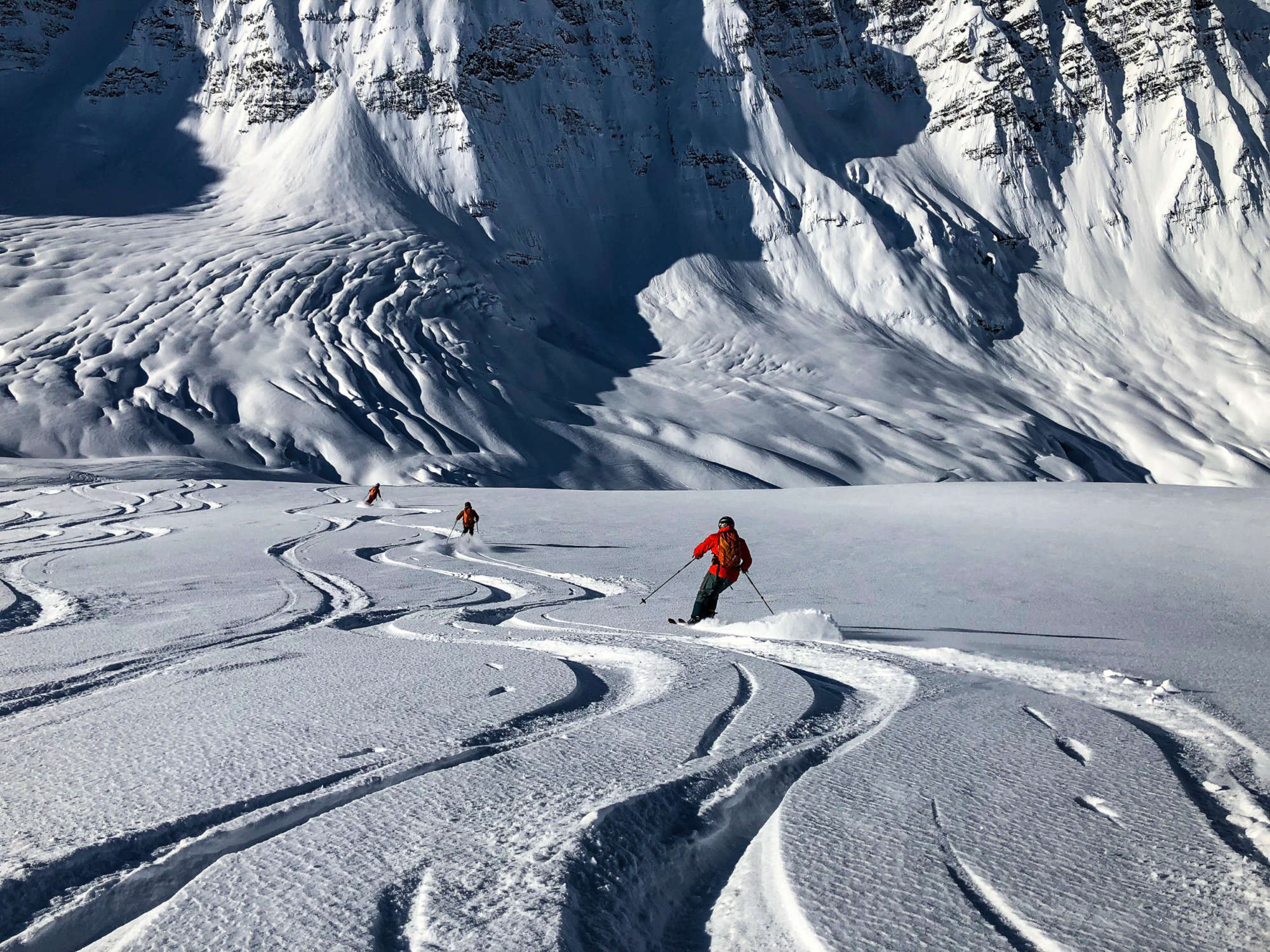
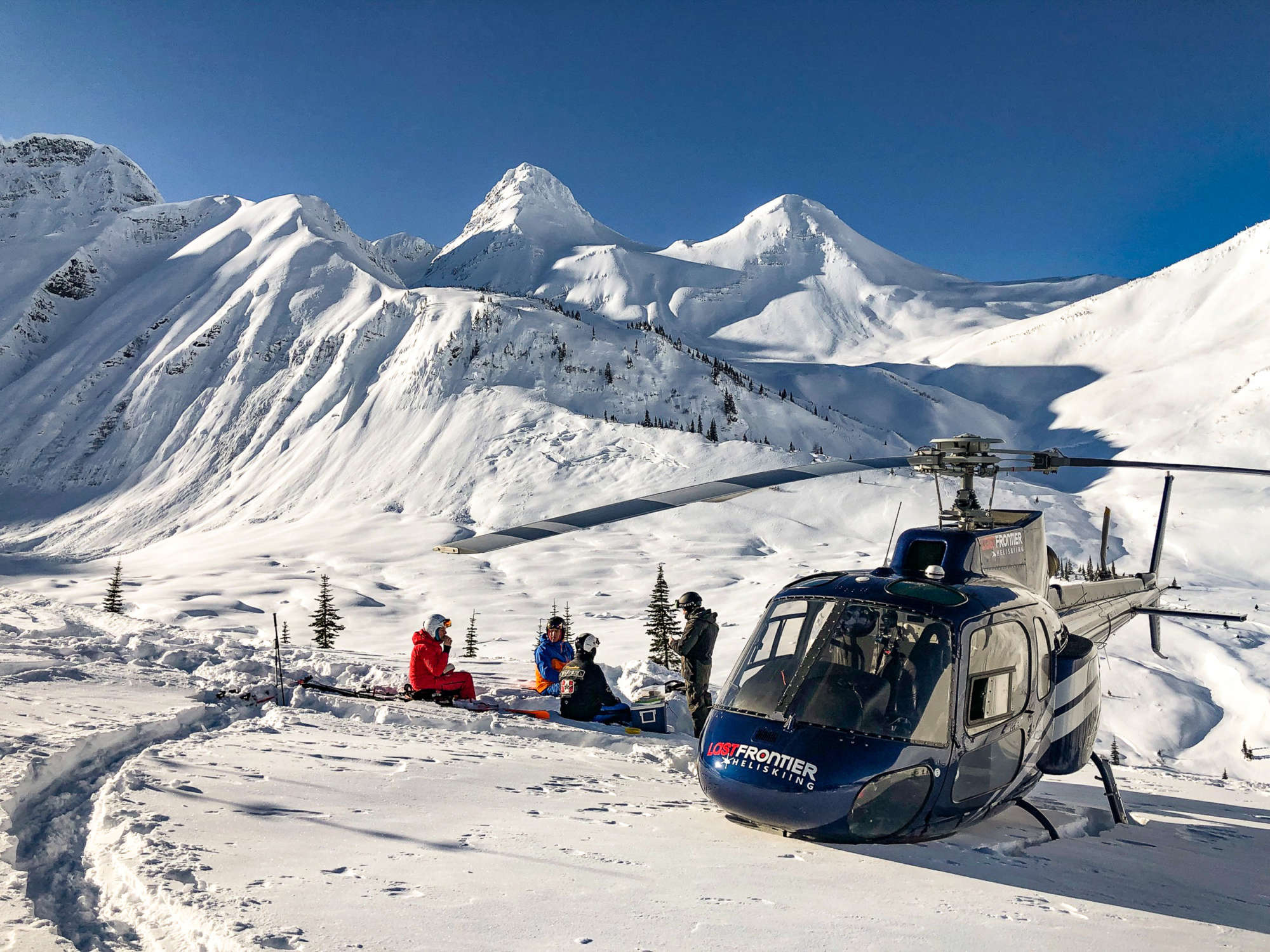
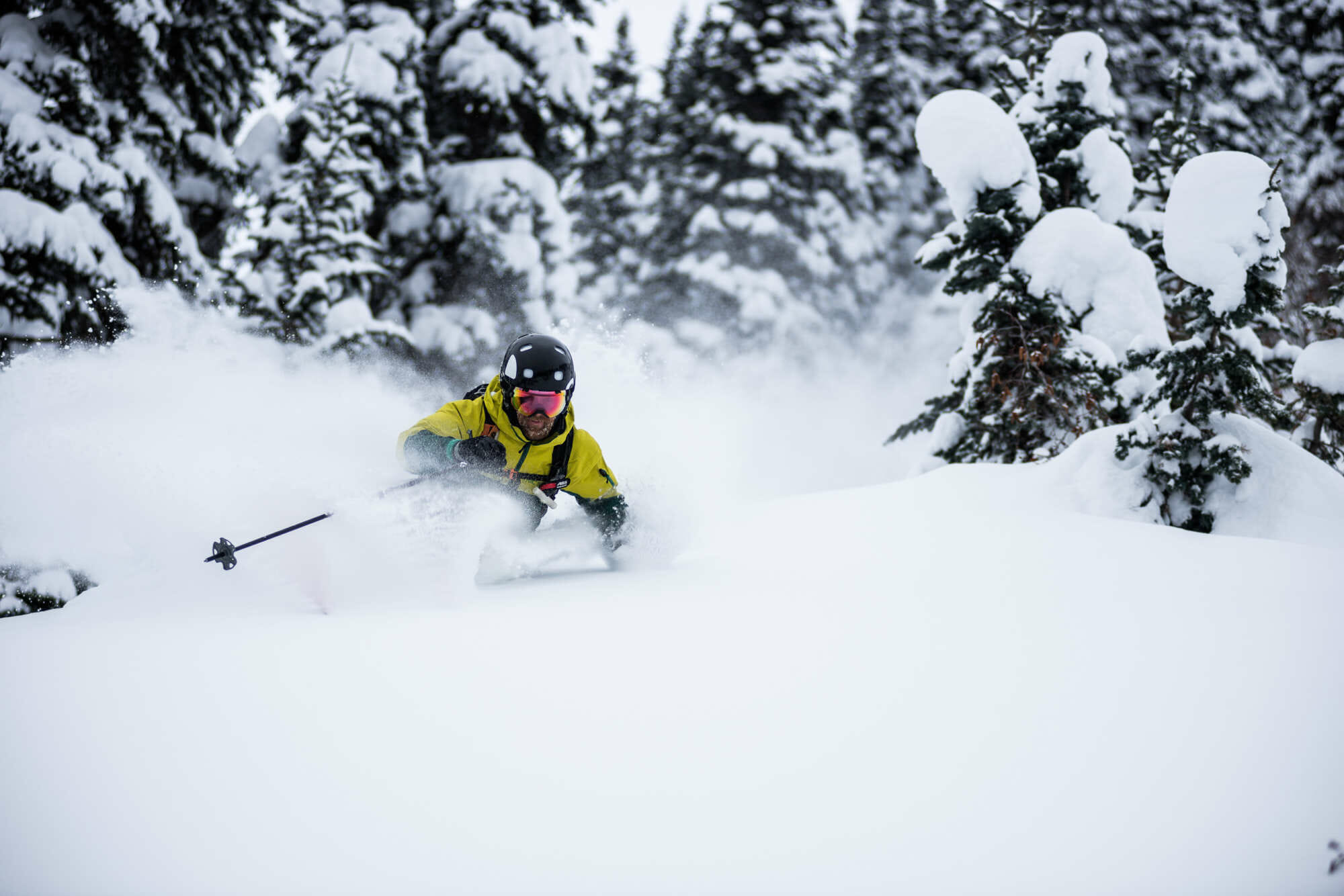
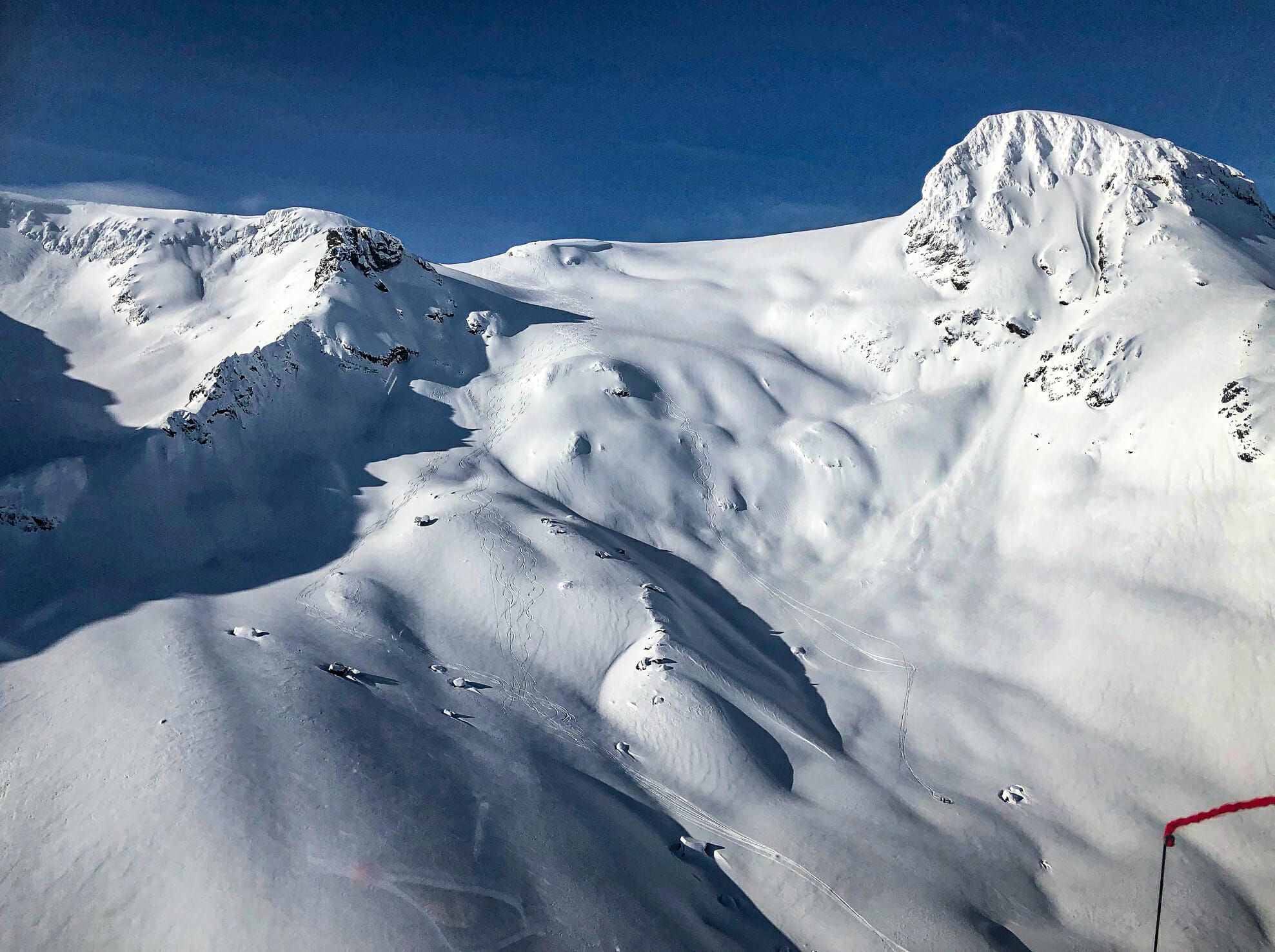
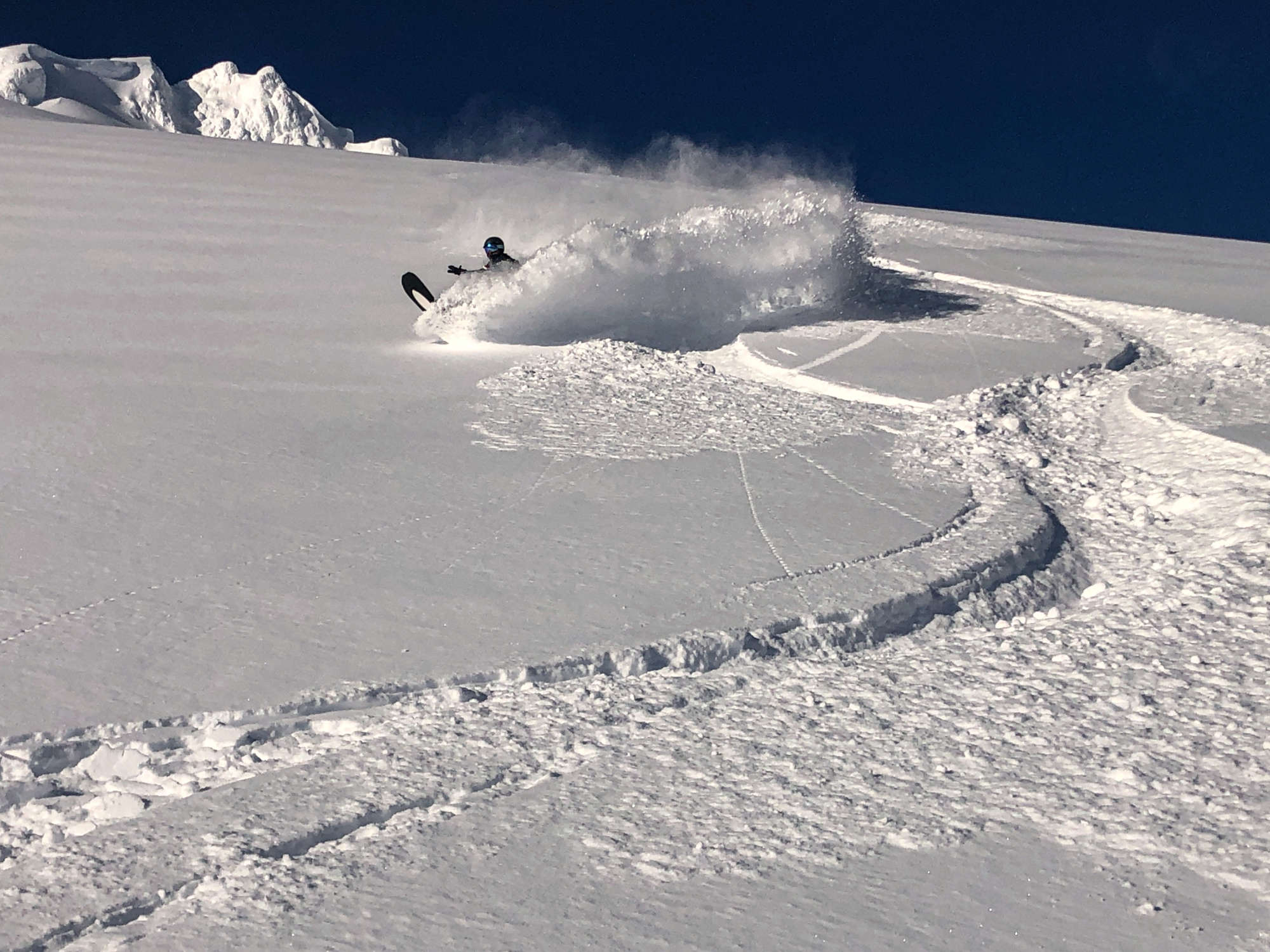
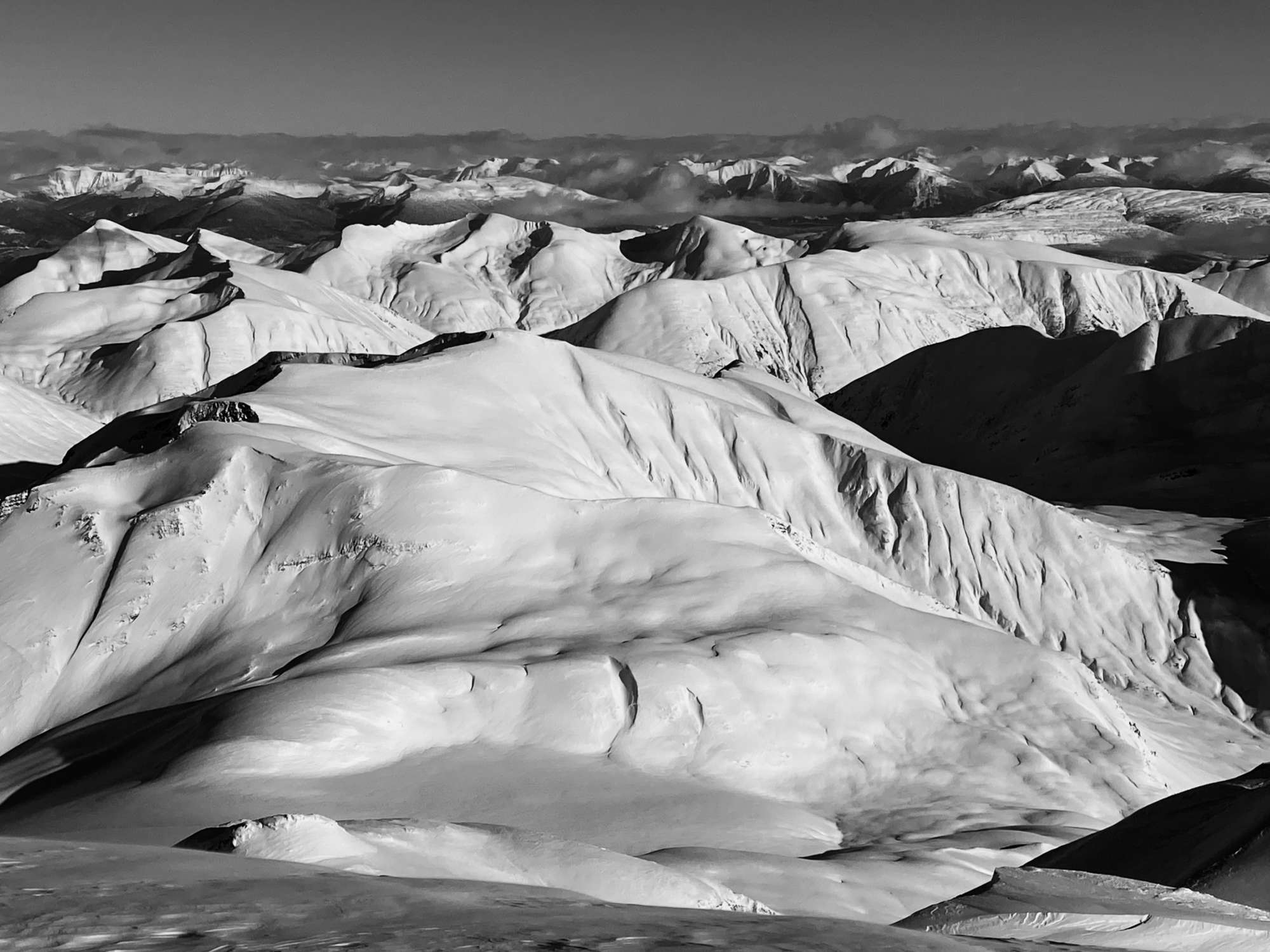
Heli skiing is off-trail downhill skiing that is accessed by helicopter. The ski terrain is wilder and more extreme than what you would find at an established ski resort. The point of heli skiing is to be carried to an out-of-the-way spot where the run-of-the-mill ski resort goers fear to tread and enjoy long runs through untouched, natural landscapes coated in powder snow. Seasoned mountain guides allow our guests to venture safely in these remote lands.
2.Is It Safe to Heli Ski or Heli-Board?
Like any sport, heli skiing has its risks. You will experience the same dangers you might have with resort skiing, plus a few more that come with being in the wild backcountry. These risks are managed, however. At Last Frontier Heli skiing, we have safety at the forefront of our minds. Studying snow is an intense collaboration between guides, industry associations, and BC heli and snowcat operators. Guest safety is fundamental. Every day, our guides, pilots, and staff practice and learn how to make our operation safer. Our focus is always to ensure that you have a great experience and that possible risks are assessed and managed. More here.
3. How Much Does Canadian Heli Skiing Cost?
Last Frontier Heliskiing offers several different packages, varying according to the length of your stay and what time of year you come to visit. Packages include guide services, accommodation and meals, ski and snowboard equipment, safety equipment, and return ground transfers. See our price guide here.
4. Your First Heli-Skiing Trip: How to Prepare
Before you come for your heli skiing trip, be sure that you are ski fit. It’s best if this is not the first skiing you’ve done all season. You will enjoy your trip more if you are in good shape and hit the pistes a few times before you come. Check out our get-fit article here. Also, make sure you have the right gear.
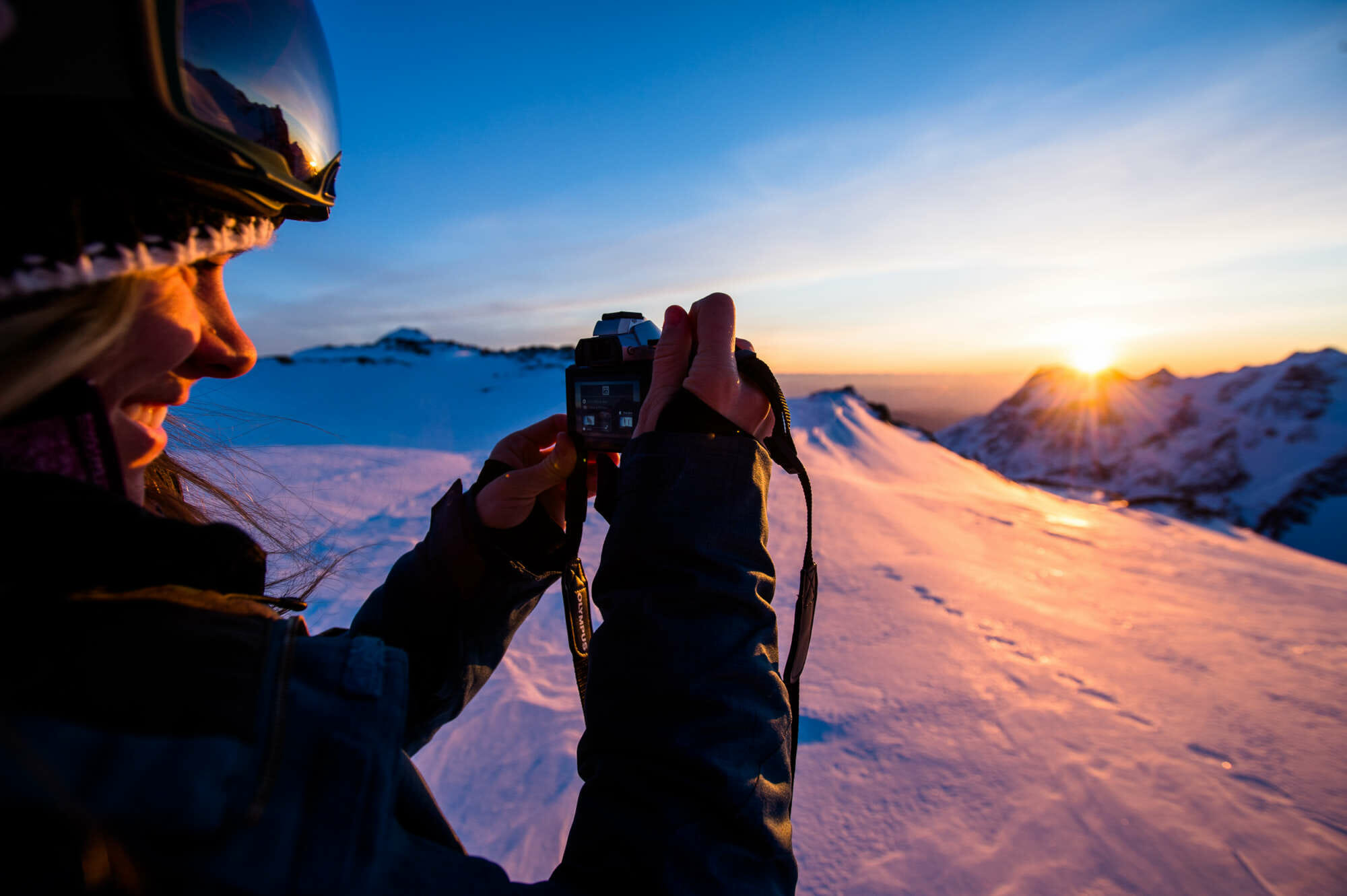
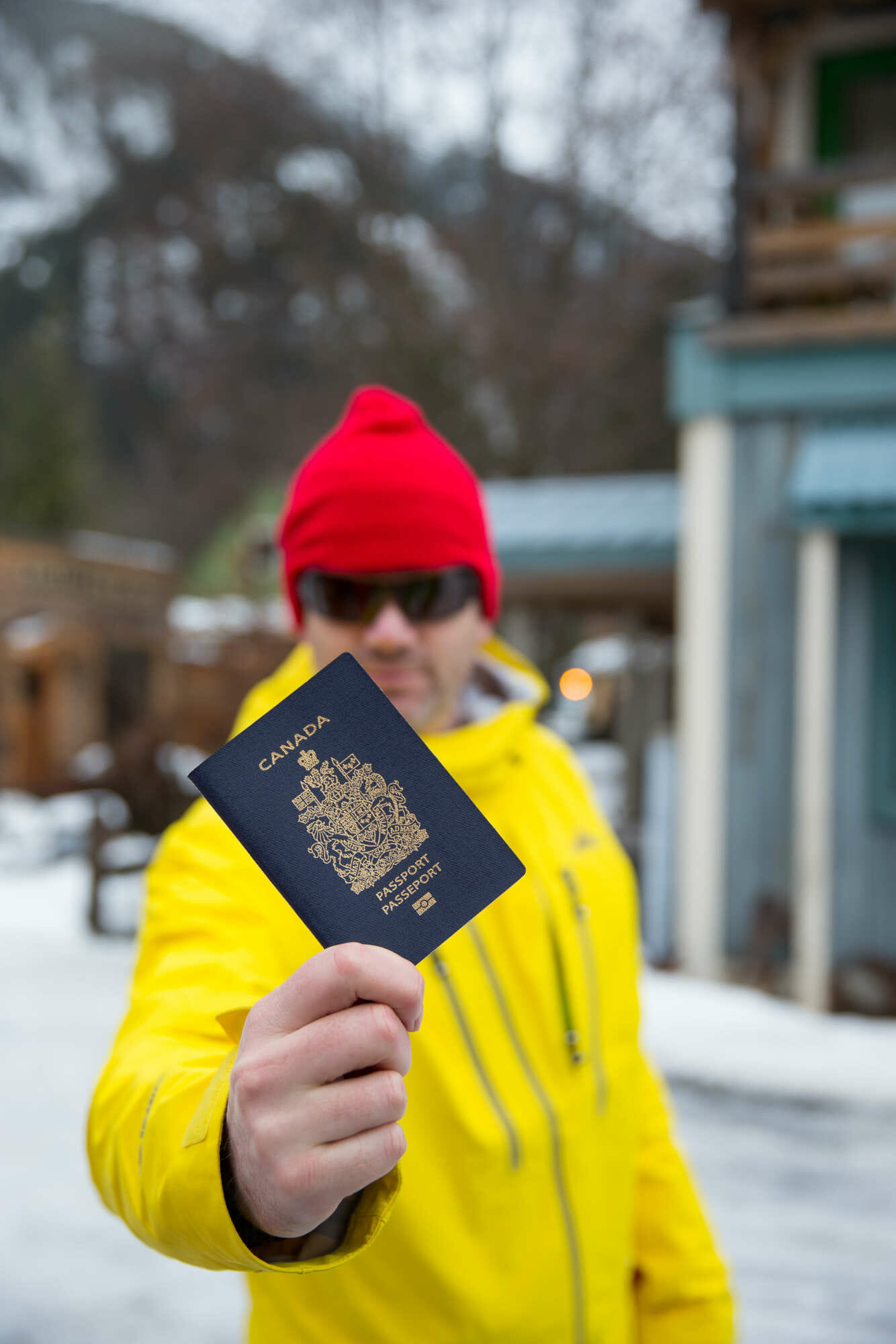
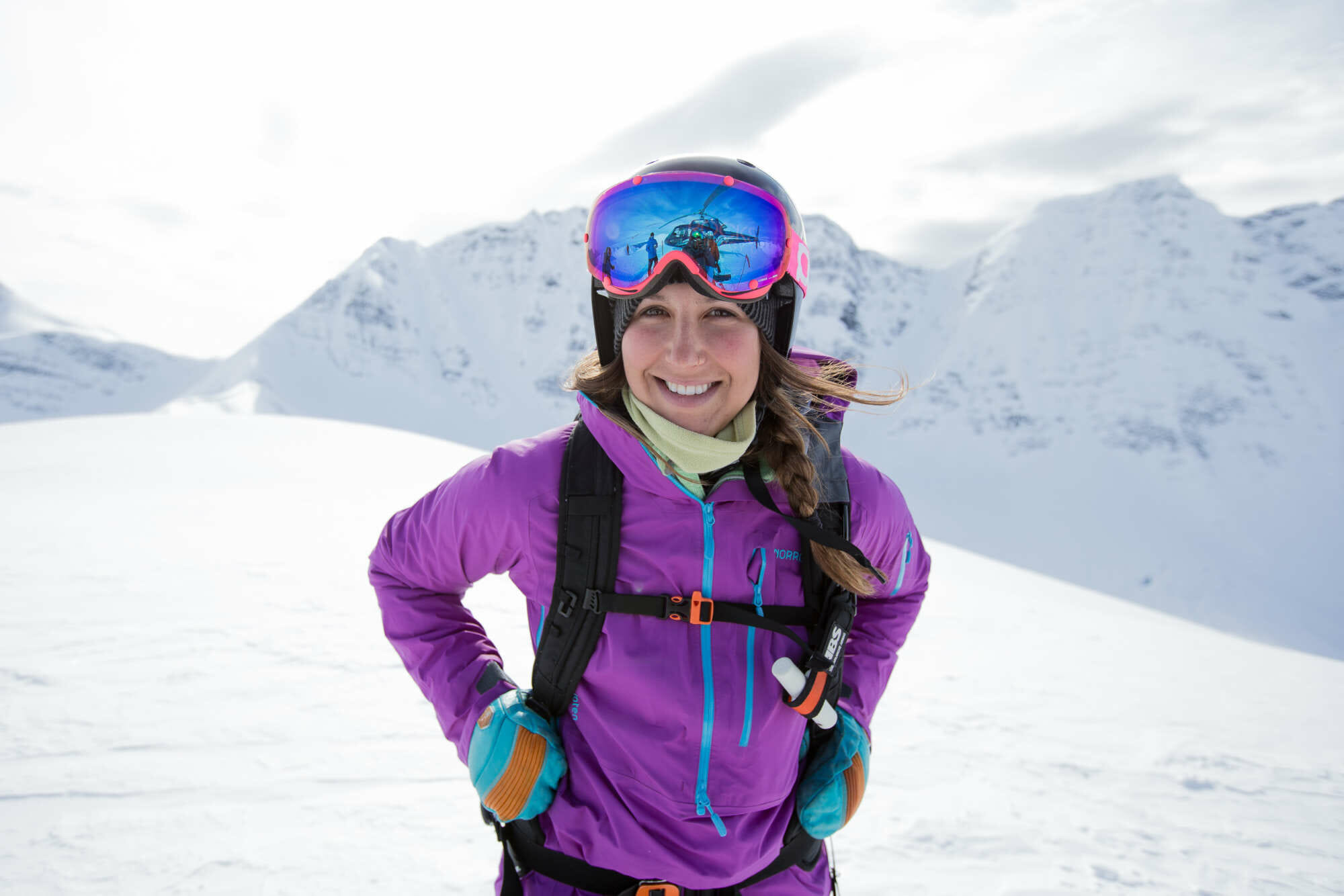
5. What Should I Bring to Heli Skiing?
We will provide powder skis and poles or a snowboard if you need. However, you are welcome to bring your own. Here are the essentials that you will need to bring along for your trip:
- Ski boots
- Ski gear: mitts, goggles, helmets, under-layers, ski socks, ski suit, and toques. Make sure you can comfortably layer your clothing when you head out to ski, so that you can peel a few layers off if you get warm.
- Bathing suits for soaking in the hot tub or relaxing in the sauna when the day’s skiing is done.
- Party clothes – to make the most of our multi-course dinners and whatever else the evenings may bring.
- See our packing list here.
6. Who Invented Heli Skiing?
That depends on who you ask. Most people credit Hans Gmoser, an Austrian-born mountain guide who settled in Canada in the 1950s, as the father of heli skiing. However, he certainly never claimed to be the originator of the idea, although he was the first to lead heli skiing trips professionally. His biographies suggest that he set up the first Canadian heli skiing trips after discussions with a geologist named Art Patterson in the 1960s. Patterson suggested that the helicopters he used for exploring the mountains during the summer could be used for ski trips in the winter, to keep them from standing idle for months. It is also suggested that skiers in Europe and Alaska were already experimenting with helicopters in the late 50s already. Ultimately, it doesn’t matter who came up with the idea – we’re just glad they did!
7. How Hard Is Heli Skiing?
Let’s put it this way: you don’t need to be an expert skier, but it is most definitely not for intermediates. Skiers of advanced ability with some off-piste experience should be able to manage it without any problem. Also, being relatively fit is just as important as your skiing ability.
8. When Should I Come Heli Skiing?
This is one of the most frequently asked questions. The simple answer is whenever you like. There is really no ‘best’ time of year to experience heli skiing in British Columbia’s remote peaks. There are, however, some typical characteristics at different times of year.
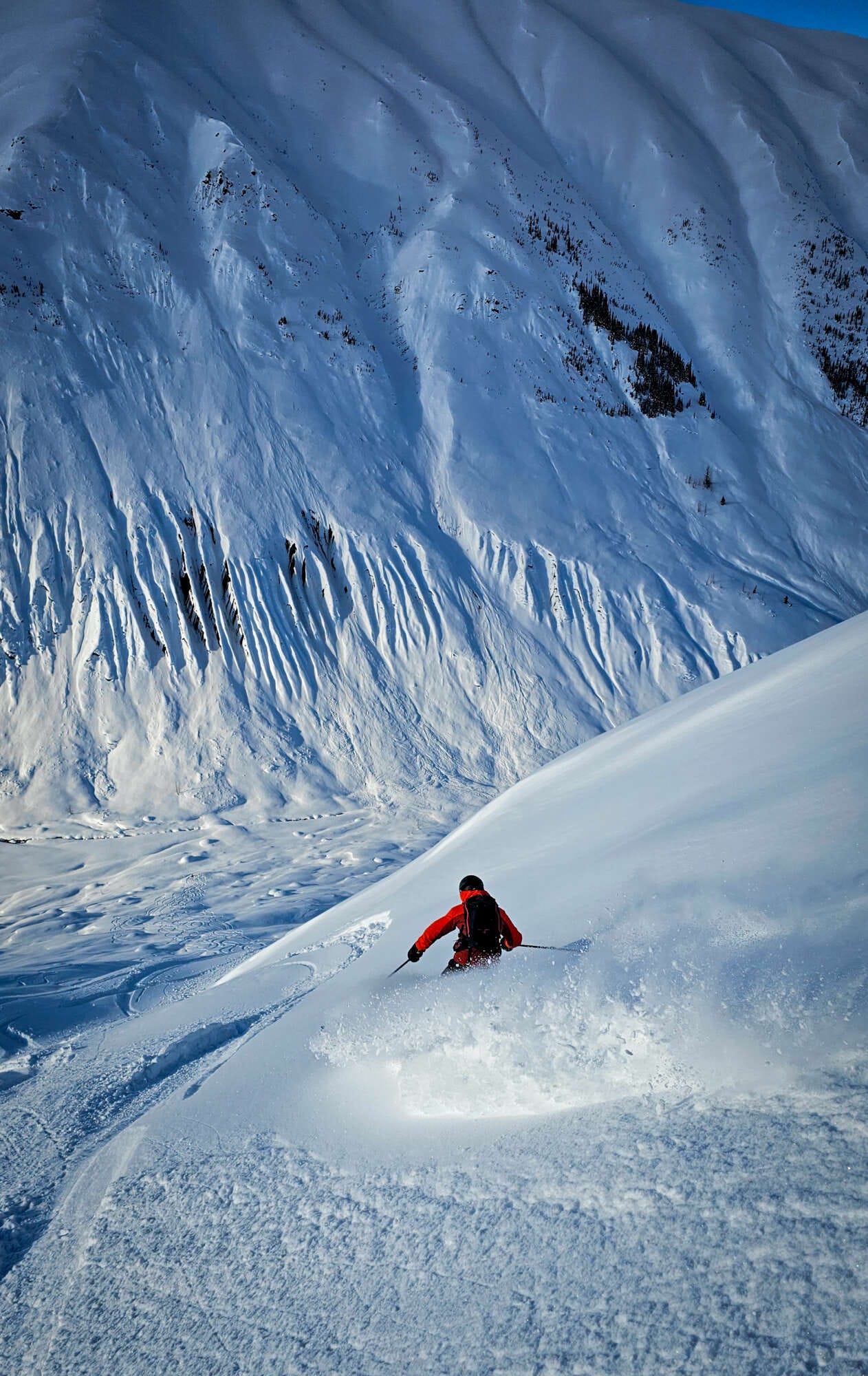
December and January are typically more about tree skiing, and the days are a little shorter, so we really try to maximize your time on your skis. We get lots of snow in those months (it’s one of the snowiest places on earth), and the temperatures can be a little colder than March. But December and January are all about deep turns in the trees, which is about the most fun skiing you can have. This time of year is for powder hunters!
February and March are a mixed bag of high alpine skiing, tree skiing, and longer days. February is one of the drier months, so it tends to have lots of variety within our terrain. March sees the temps moderate, but with lots of snow. Like January, March can be deep! But it also presents the opportunity for a little more exploration with the longer days.
April is our favourite month. The days are long, the temperatures are getting into spring, and the snowpack is at its biggest. We don’t necessarily get the massive pow days of the winter months, but we get long laps, lots of high alpine sunshine, and warm temps. It is hands down our favourite time of the year, along with January (you just can’t beat waist deep tree skiing in cold smoke), and offers a bit of an almost summer feel in the valleys.
9. Am I a Good Enough Skier for Heli Skiing?
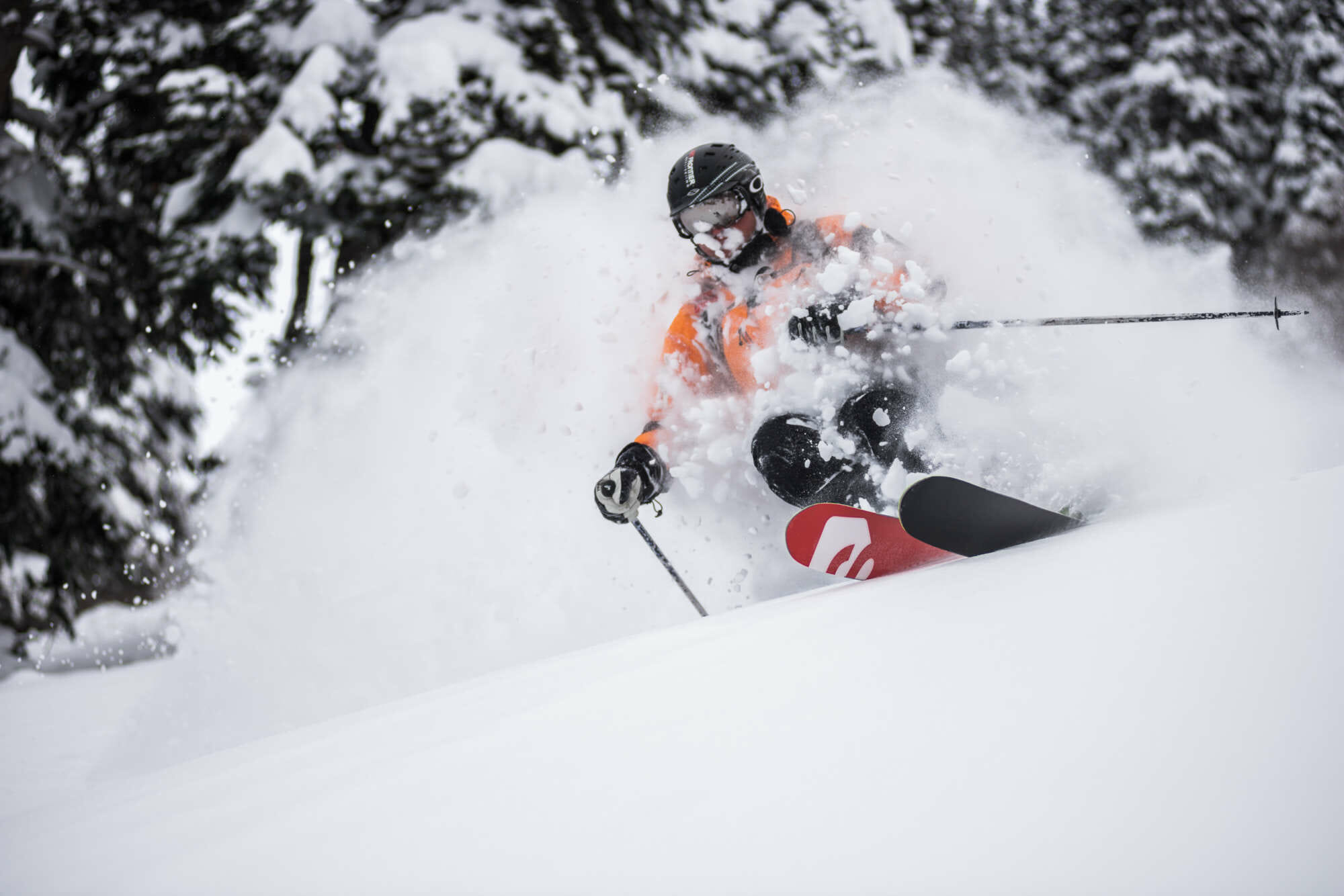
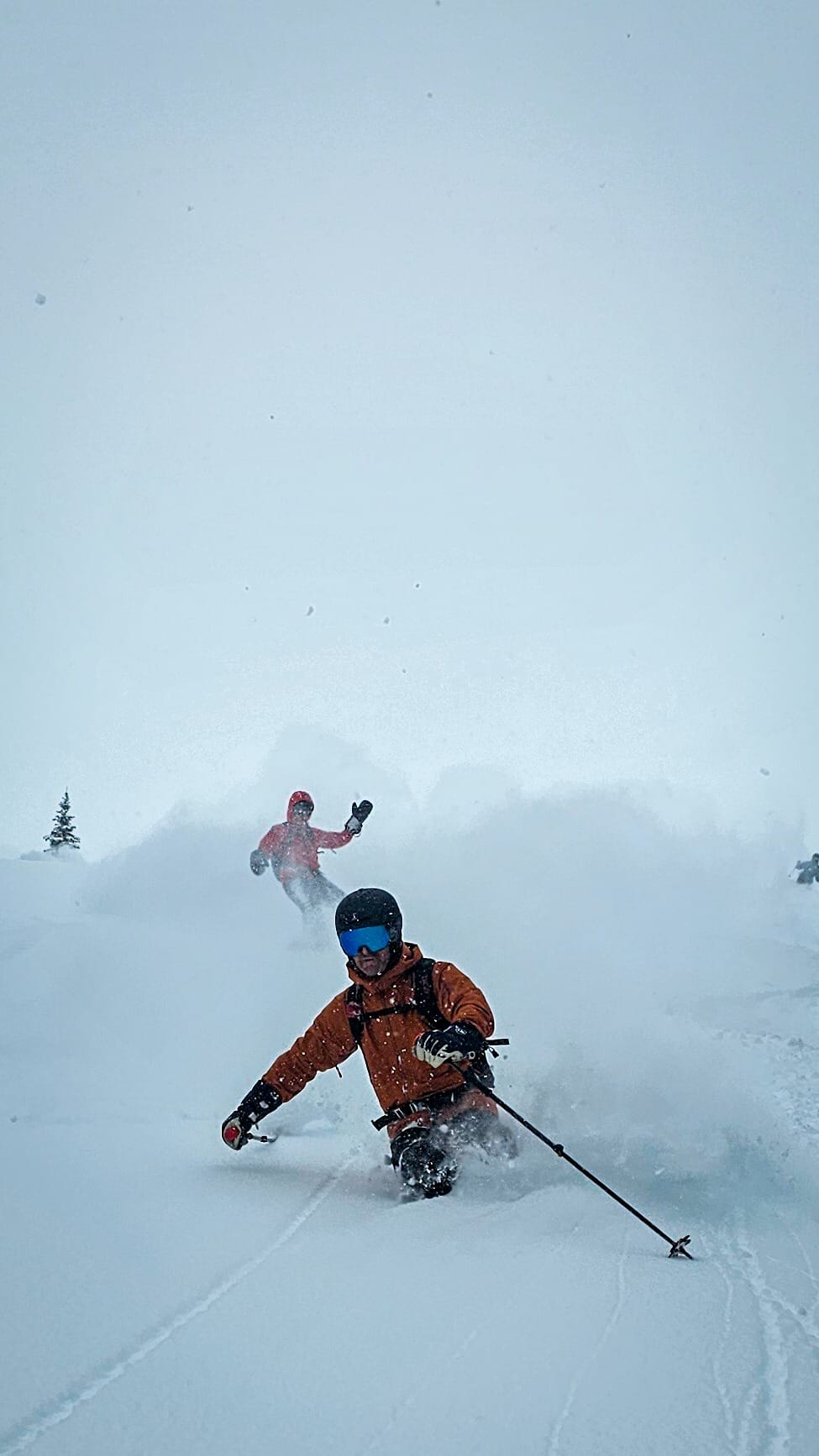
This is one of the most common questions we get. The short answer is not as good as you may think. You don’t have to be sending it on the double blacks in Whistler, for instance. If you’re relatively comfortable on advanced terrain at your local ski resort, you should be fine. But ability is only half the equation. Fitness is always something that will help you on your heli ski holiday. The fitter you are (we’re not talking Ironmans here), the better your ski holiday will be. In fact, we’ve dedicated a whole post to the Importance of getting fit for heli skiing.
10. How Many Runs Do You Do Each Day?
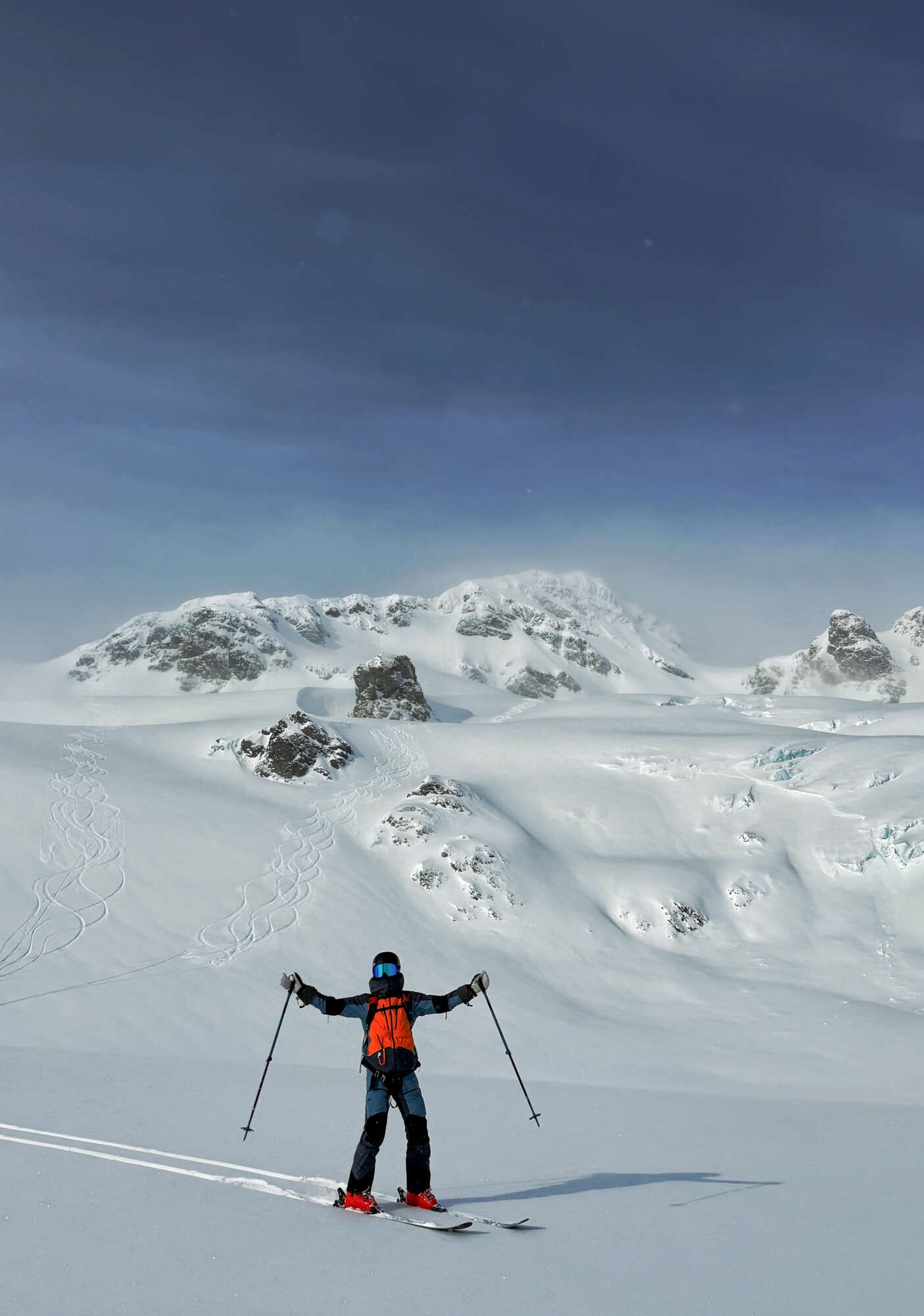
Having a good idea of how much you’re going to ski is important. At Last Frontier Heliskiing, expect to ski anywhere from 3000 to 16000 vertical meters in a day. Yep. The days can be that big. Our runs vary in length, so depending on where you are skiing and what the weather and snow conditions are like, that can be anywhere from 3 to 12 laps a day. But we’ve had days where folks have skied 17 laps in a day (this is why April is one of the best months to go heli skiing in Canada!)
11. What Do You Do For Lunch?
Another good question. Lunch at Last Frontier Heliskiing is a social, mountain affair. We generally eat in the field. So we’ll find a nice spot to eat, usually at the bottom of a run, but not always, and have a catered lunch. Soup, sandwiches, snacks, and hot tea. On sunny days, we’ll eat in the high alpine, and on snowy days, we’ll usually have lunch in the trees, away from the elements.
12. Bell 2 or Ripley Creek?
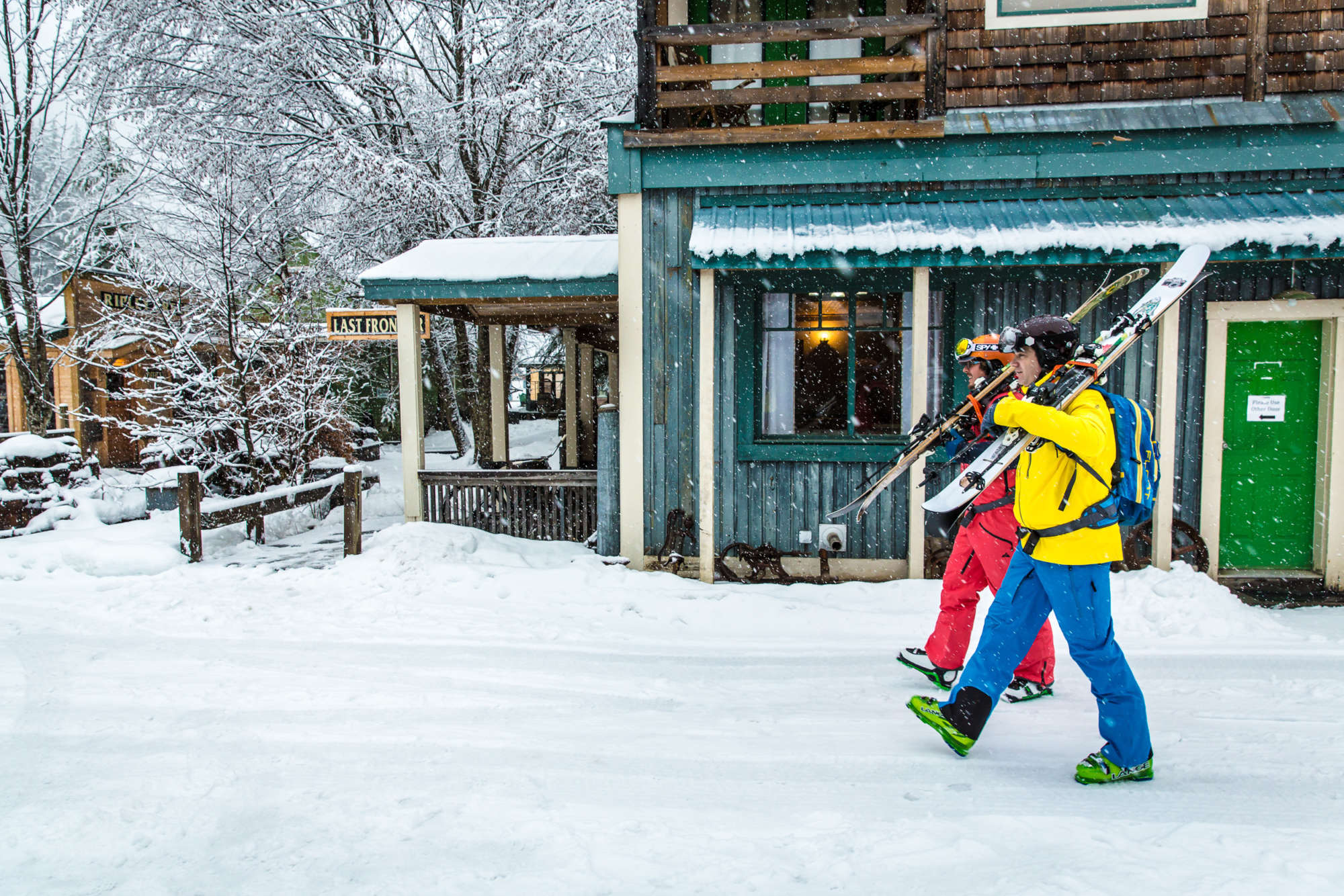
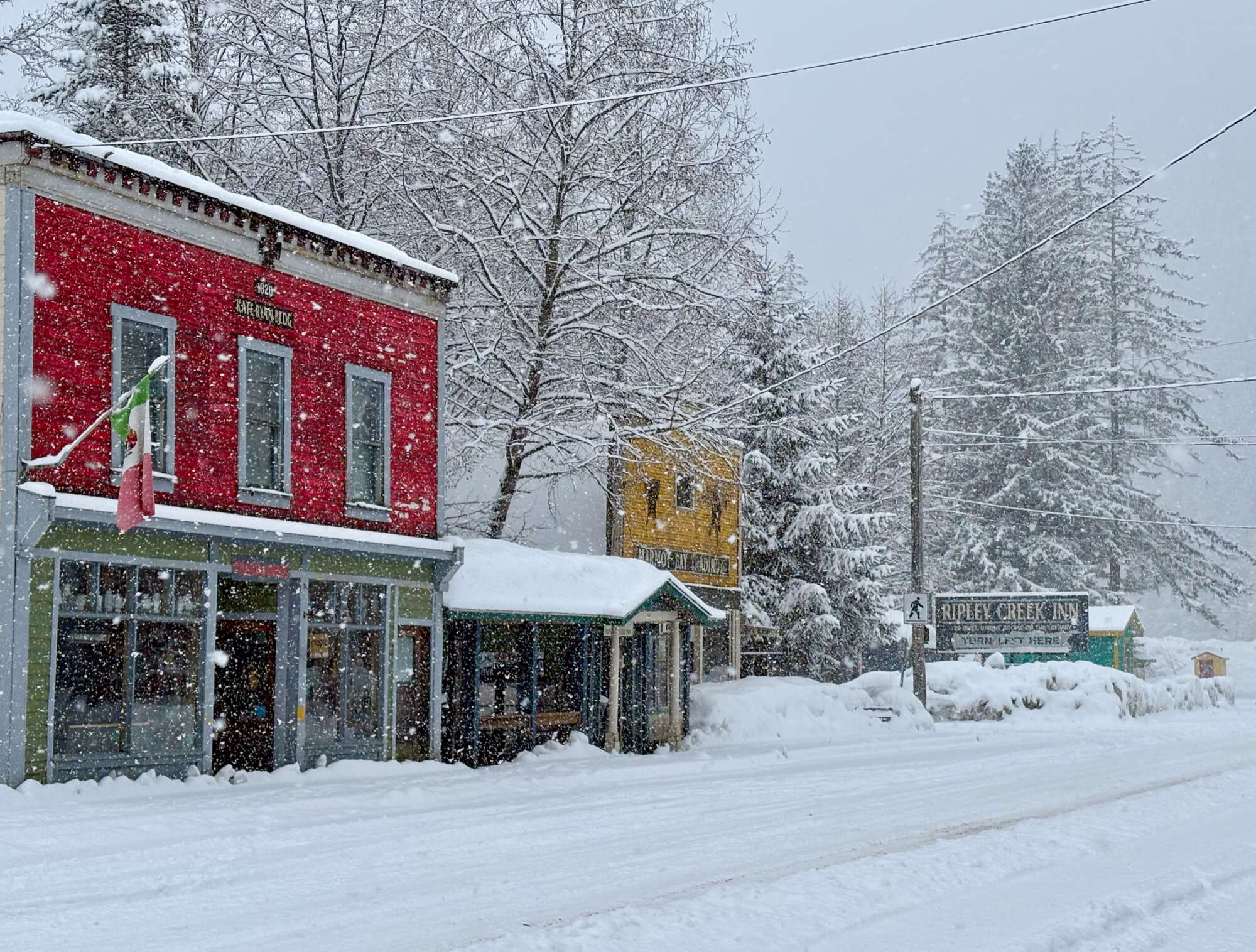
Seeing as we have two distinct bases of operations, it can be tough to choose. Both offer different terrain and a much different flavour. Bell 2 is our purpose-built heli ski lodge, right in the heart of our terrain, whereas Ripley Creek sits in the Southern end of our heli ski area in the frontier town of Stewart, BC, right on the border of Alaska. We’ve written about this before, so have a gander at our post on how to choose between the two. This is an ideal lodge if you are planning to go Heli skiing in Canada.
13. How Much Do You Tip a Heli Ski Guide?
Still have questions about FAQs for first time heli skiers? Whether you’re wondering if canadian heli skiing is right for you or ready to experience some of the best heli skiing in North America, we’re here to help. Our ACMG-certified guides have decades of experience introducing first-time guests to the backcountry of Northern BC. From understanding what heli skiing is to preparing for your adventure, we’ll walk you through every step. Check out our complete FAQ page for more details, or give us a call at +1 (888) 655-5566 to talk through your questions. We’re always happy to share advice for first-time heli-skiers and help you plan an unforgettable trip.